‘Once you see it, you can’t unsee it:’ Highlights from Fe+male Tech Heroes Conference: Championing Women’s Health
Even though women make up half the world, for most of medical history, the “patient” was modeled on a man. Drugs were dosed for male bodies. Symptoms were defined by how they presented in males. Entire conditions of women’s health, including menopause, endometriosis and cardiovascular disease, were under-researched, under-funded and too often ignored.
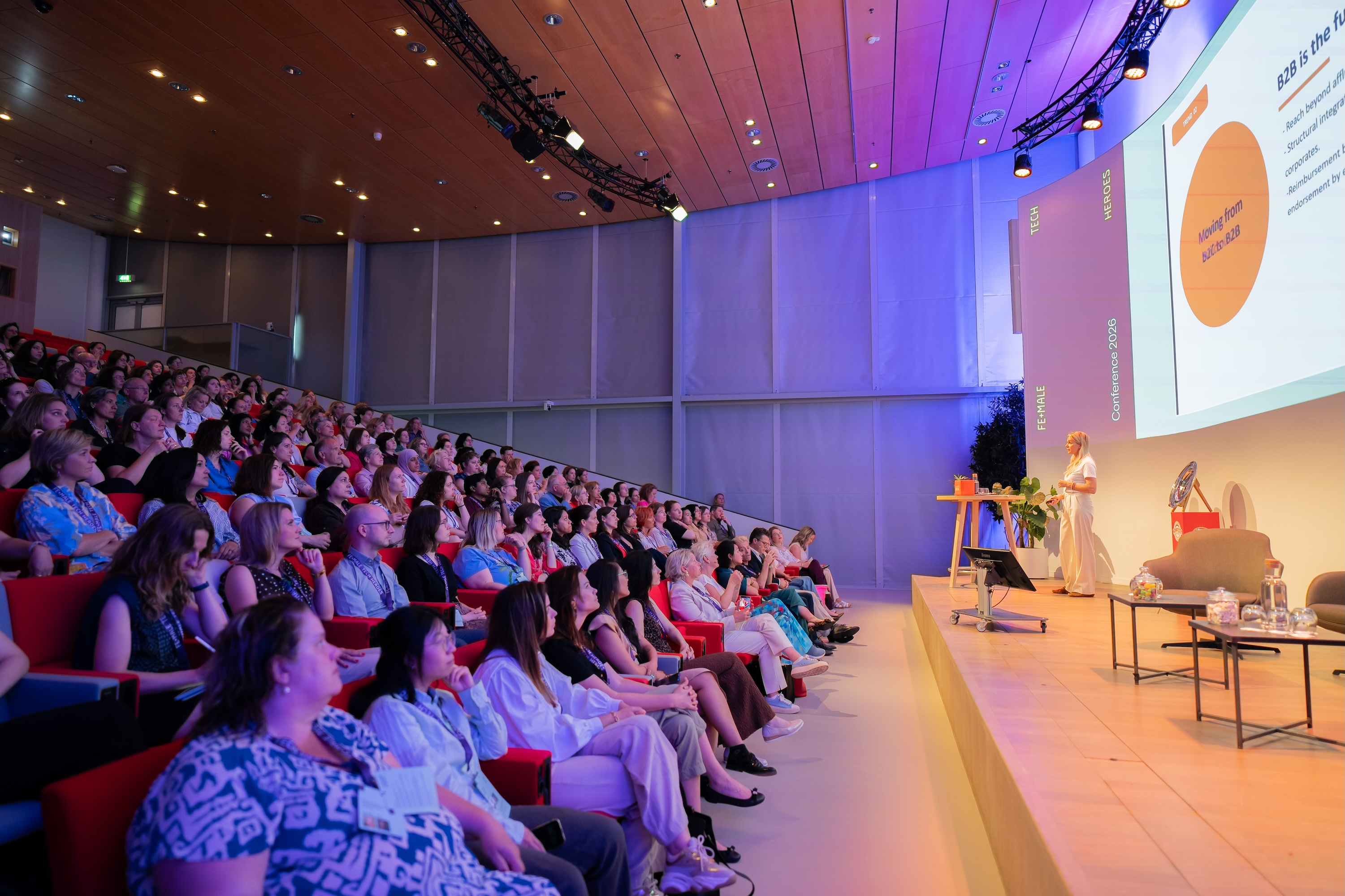
This year, the Fe+male Tech Heroes Conference: Championing Women’s Health, put women’s health at center stage, bringing together researchers, clinicians, founders of women’s health-focused ventures, investors and allies of all genders to ponder the question: “What would healthcare look like if it were designed for everyone?”
Yes, we went there.
While there is no simple answer to this complex question, we invited speakers to the stage to share their knowledge and discuss their observations. The brilliant minds and talent, technologies and vast network of stakeholders have the will to make drastic changes in the field of women’s health. What we need now is momentum.
Here are some highlights and observations of the day:
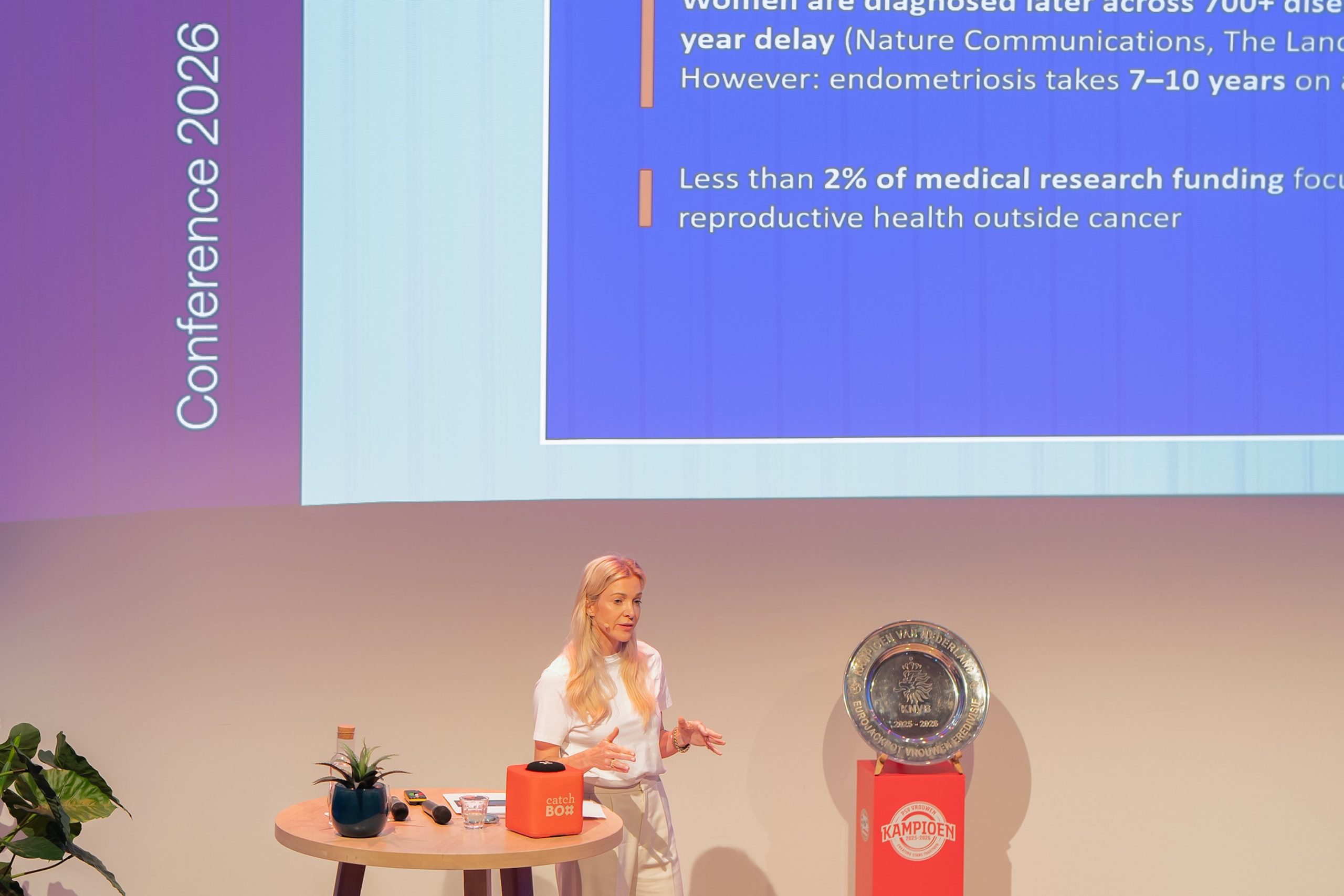
Keynote by Sophie van Dijk, FemTechNL: The Business Case for Women’s Health
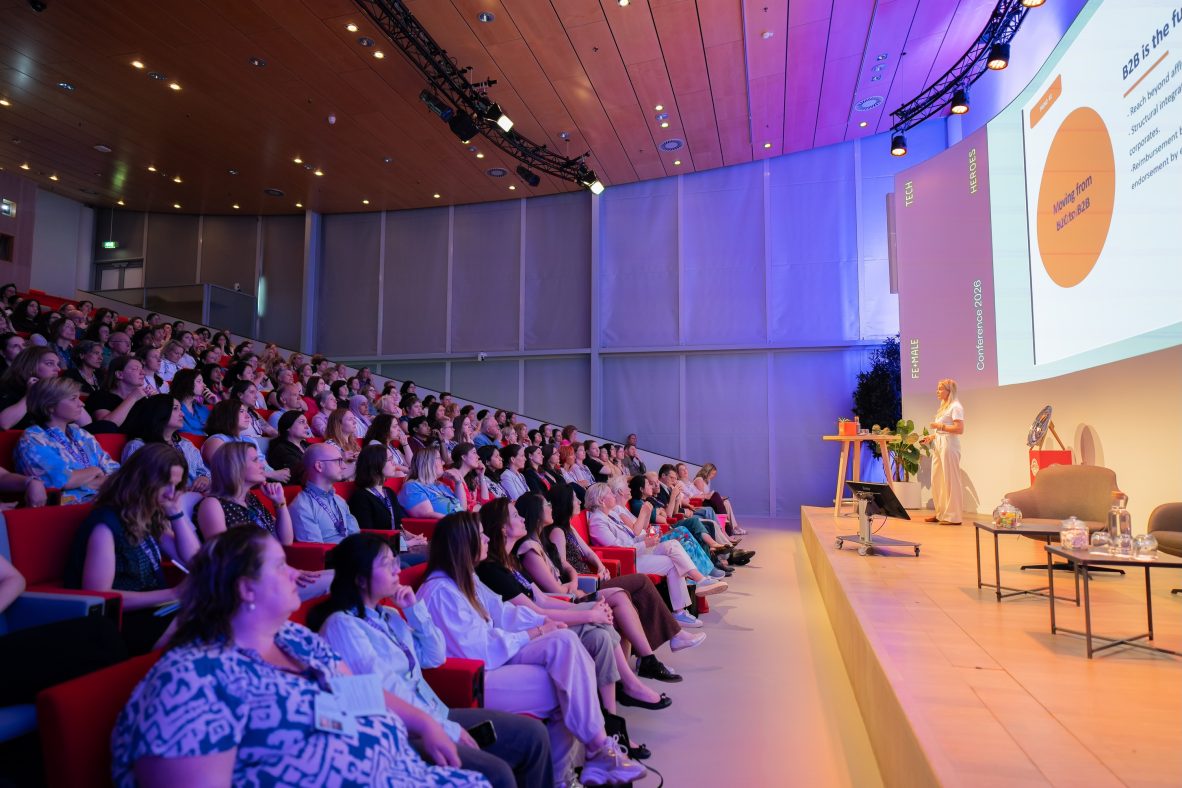
We opened with Sophie van Dijk, co-founder of FemTechNL, who made the case for FemTech as a serious, fast-growing field rather than a niche market. She says the Netherlands is well placed to lead it.
Sophie outlined the “impossible to ignore” gender gap in health, and the numbers are shocking:
- 123 years to close the gender health gap at the current pace
- Women spend 25% of their lives in worse health than men and wait longer for a diagnosis
- Women’s health is a trillion-dollar opportunity (“I don’t even know how many zeros that is!”)
- 3,000 FemTech startups are now tackling these issues globally
- Between 2019 and 2023 erectile dysfunction startups received $1 billion in funding. Endometriosis, which affects 1 in 7 women, only $44 million.
“Once you see it, you cannot unsee it anymore,” she said.
FemTech has shifted from B2C to B2B for higher adoption and consolidation through mergers and acquisitions, yet the persistent funding gap doesn’t match real disease burden. Heart disease, for example, is common in women … yet badly underfunded. AI holds real promise … but only if we close the gap in women’s health data. Takeaway: Awareness, communication and early education are as big a part of the solution as the technology itself.
Keynote by Arianne van Koppen, TNO: Biology, Bias and the Workplace
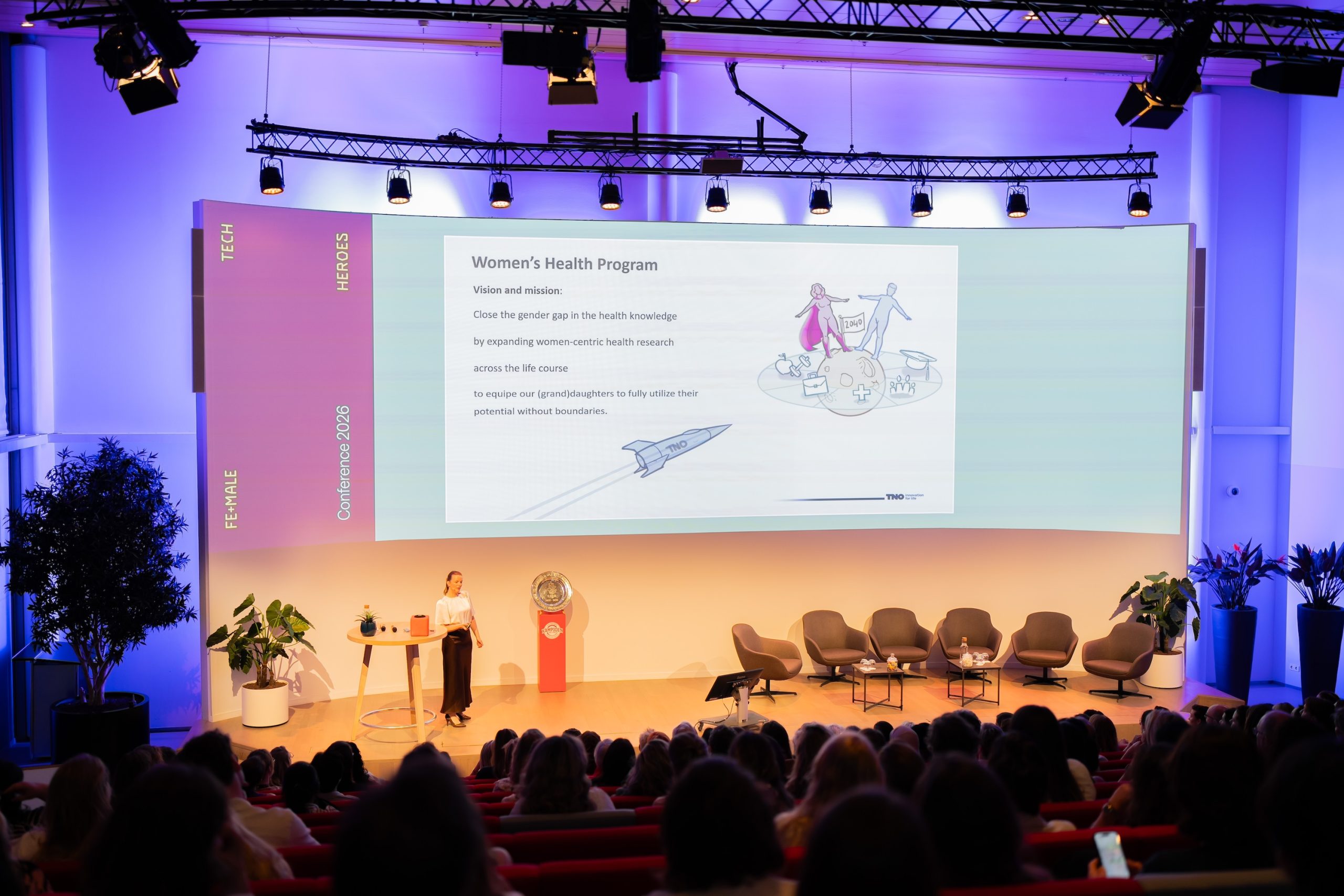
Sophie was followed by Arianne van Koppen of TNO, who grounded the ambition in the science and systems behind it.
There’s an urgent need to expand women-centric health research. The gap persists for many reasons, including the fact that women were not included in clinical trials until 1993.
“We need to make the invisible visible,” says Arianne, and TNO’s Health@Work Scan is the start of growing awareness and data.
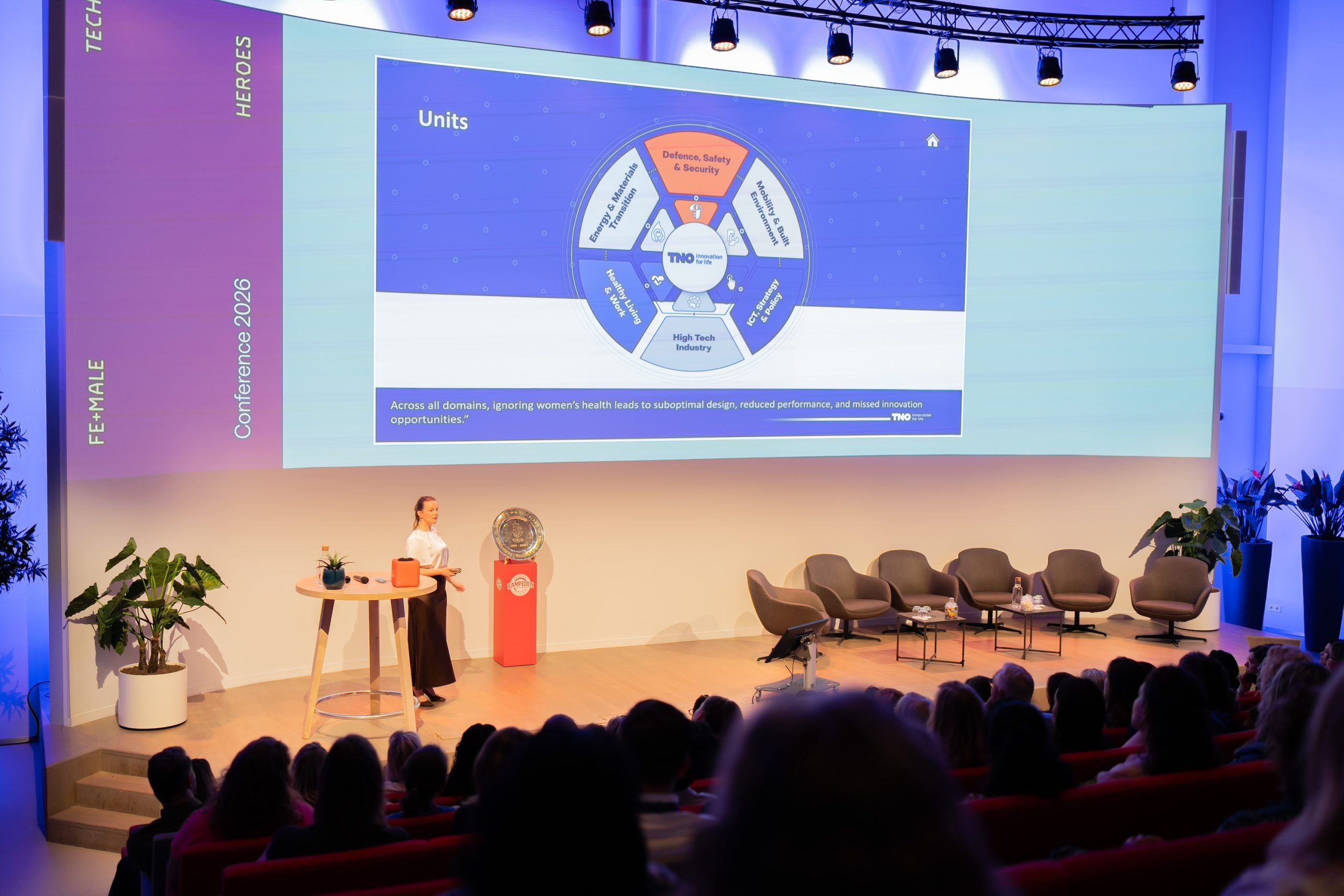
In research with Centraal Bureau voor de Statistiek (CBS) for hormone-related complaints in the Netherlands, we see the following:
- These issues impact productivity at work.
- Women talk to colleagues about these issues, but not their managers or doctors.
- Women’s absenteeism is higher in almost all age categories, representing a huge hidden cost.
From research methodology to the practical realities of building inclusive health technology, Arianne said better outcomes for women start with better questions and being deliberate in designing for the bodies and lives that have historically been left out of the data.
Tech Talks: A Tour of Women’s Health Tech Developments in the Region
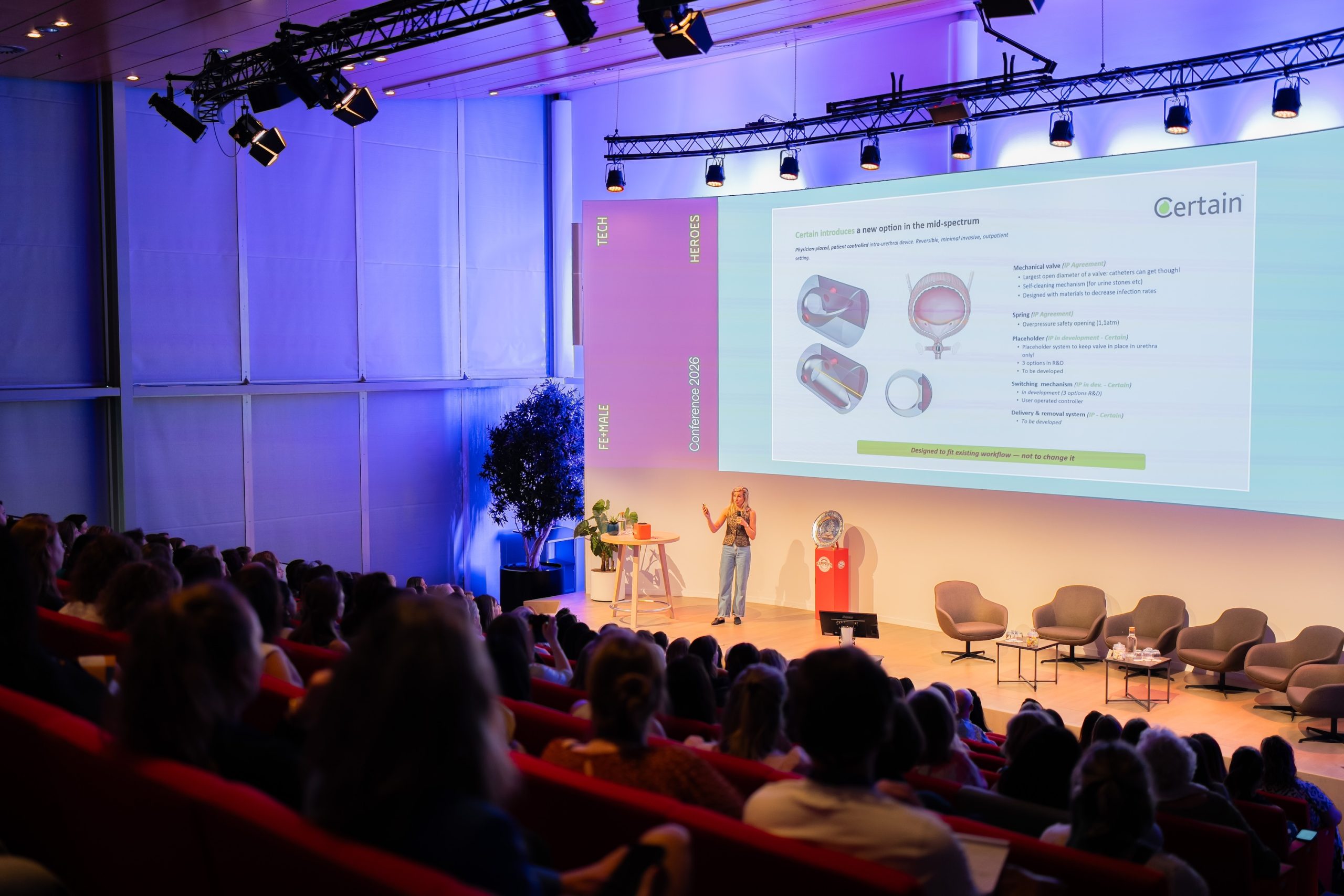
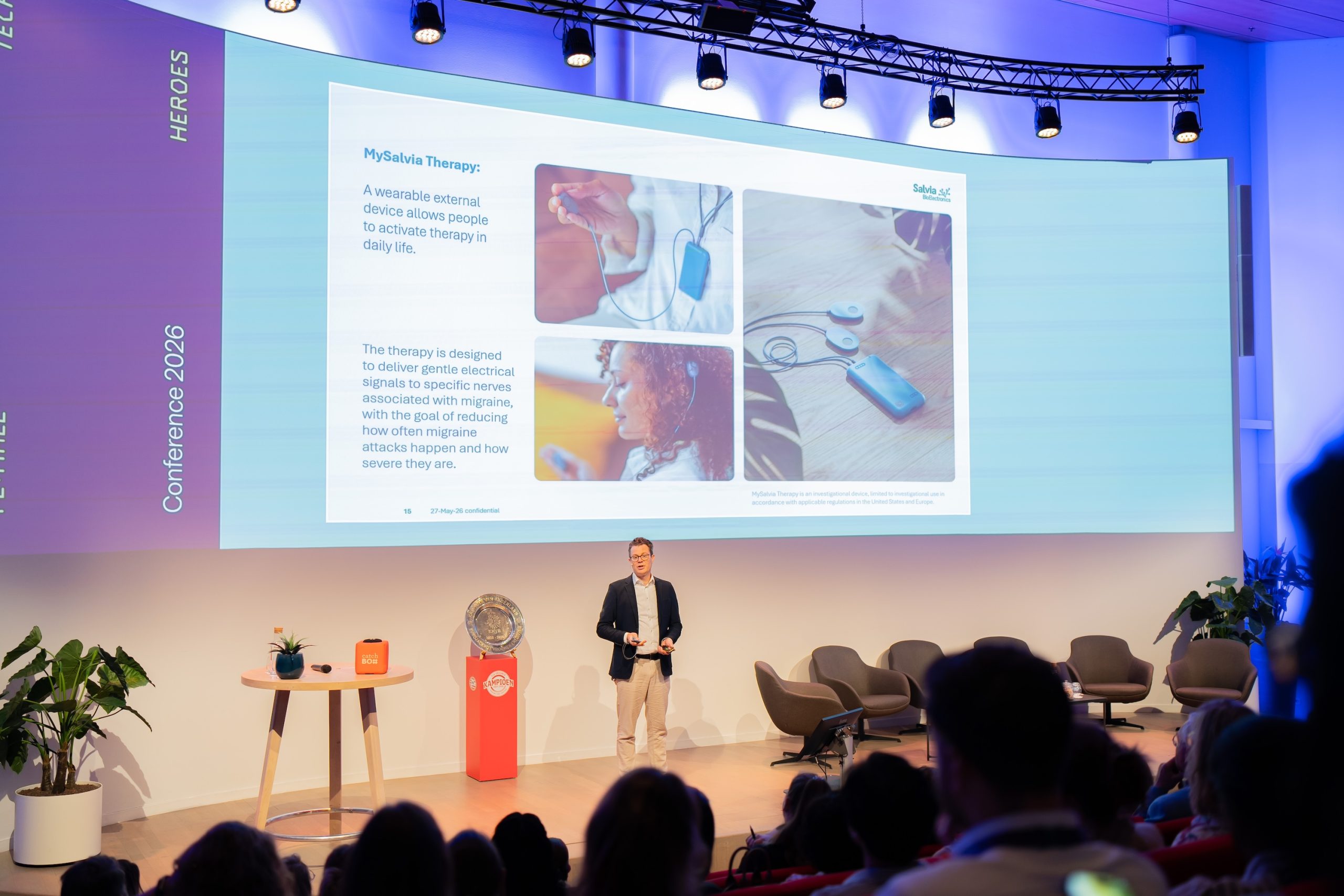
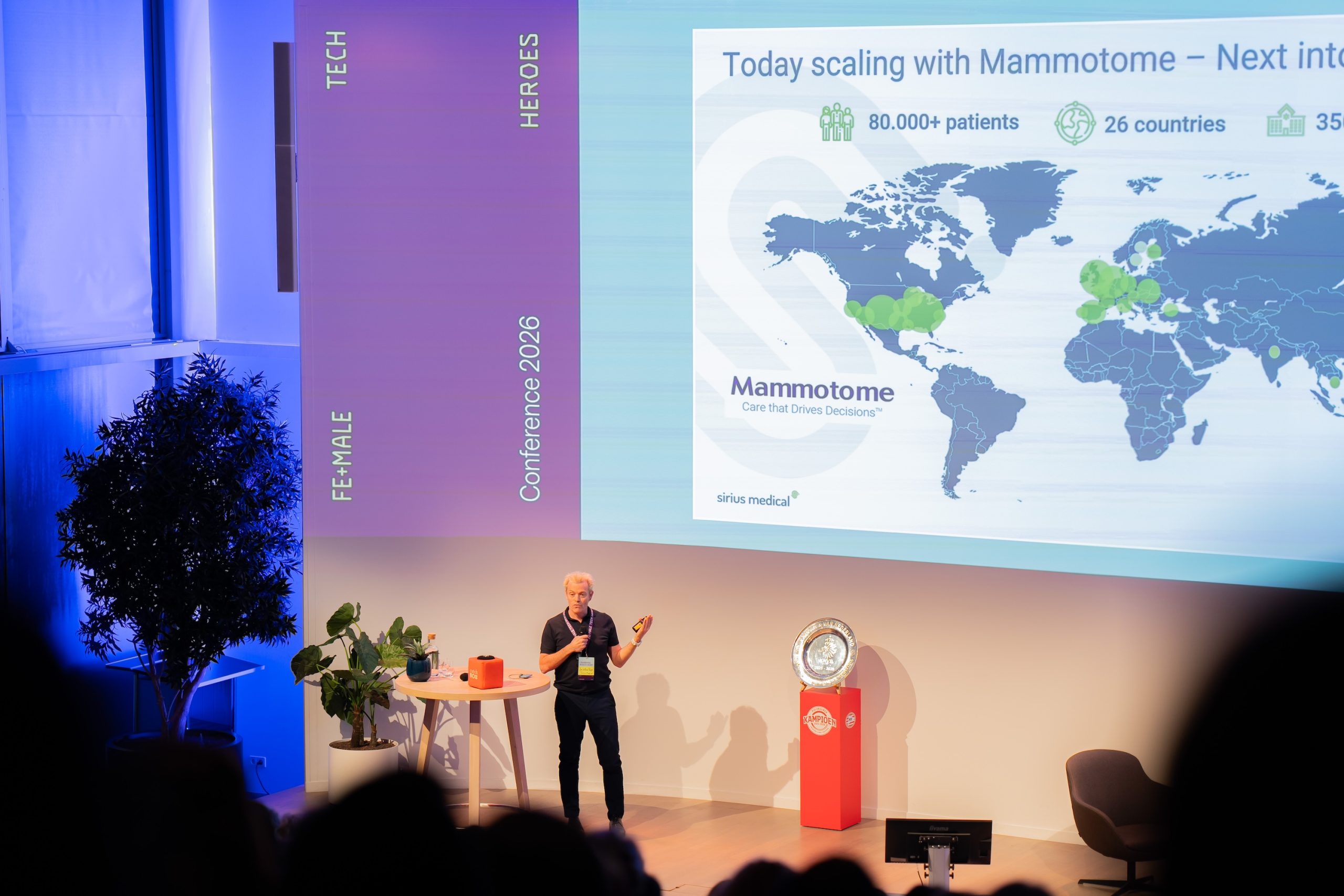
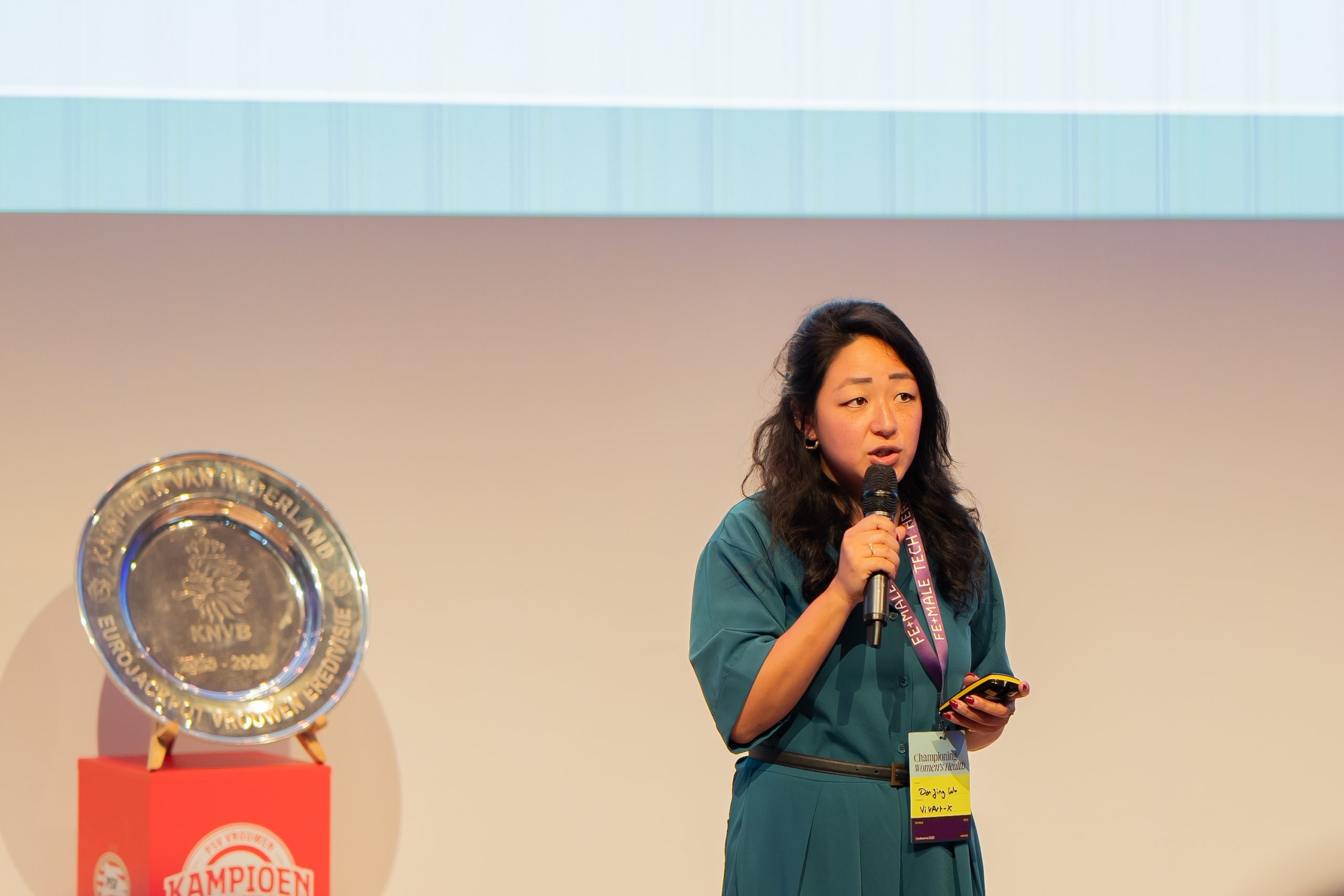
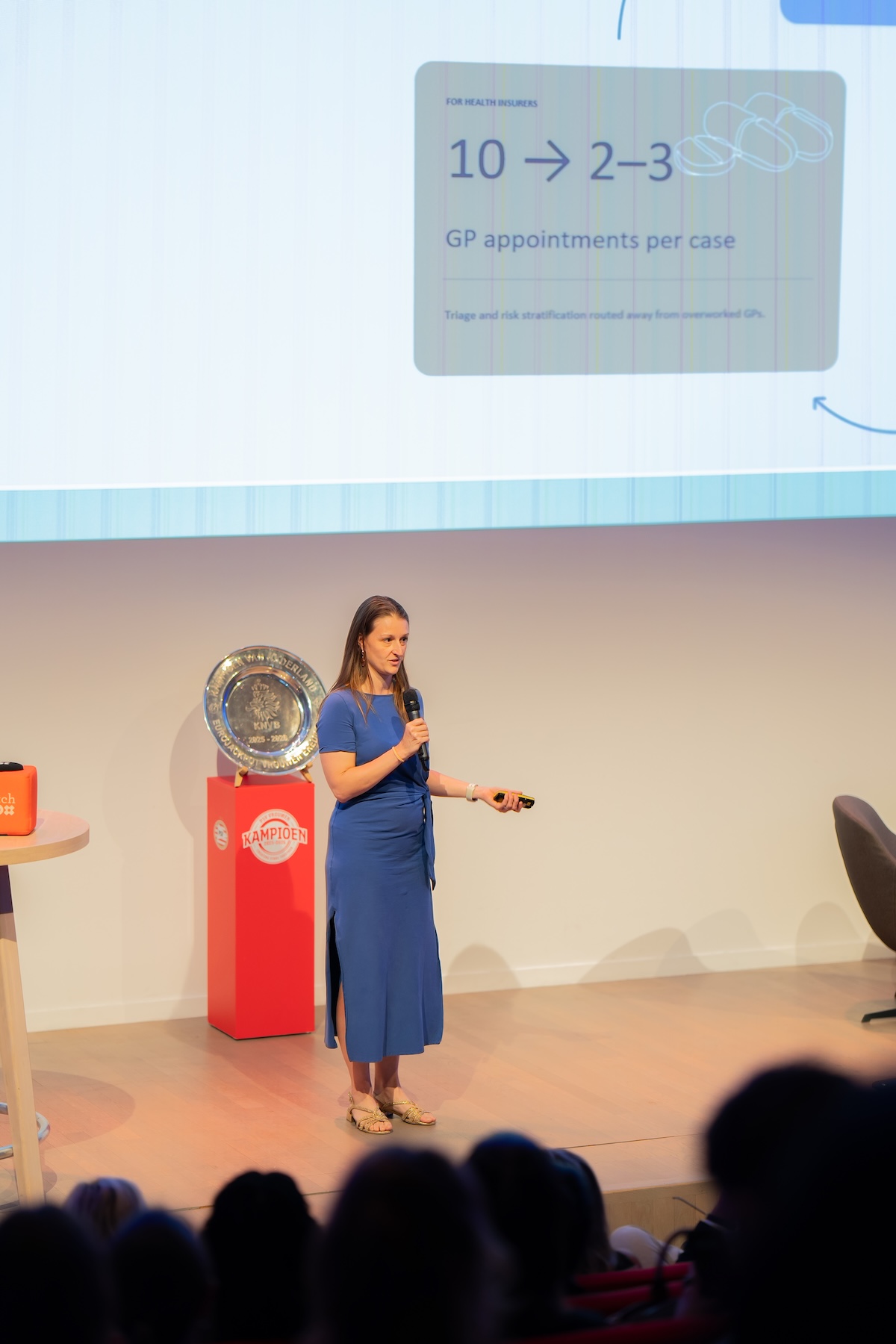
If the keynotes set the vision, the Tech Talks showed the vision in action. Five companies took the stage to present their technologies and their innovative approaches to women’s health challenges.
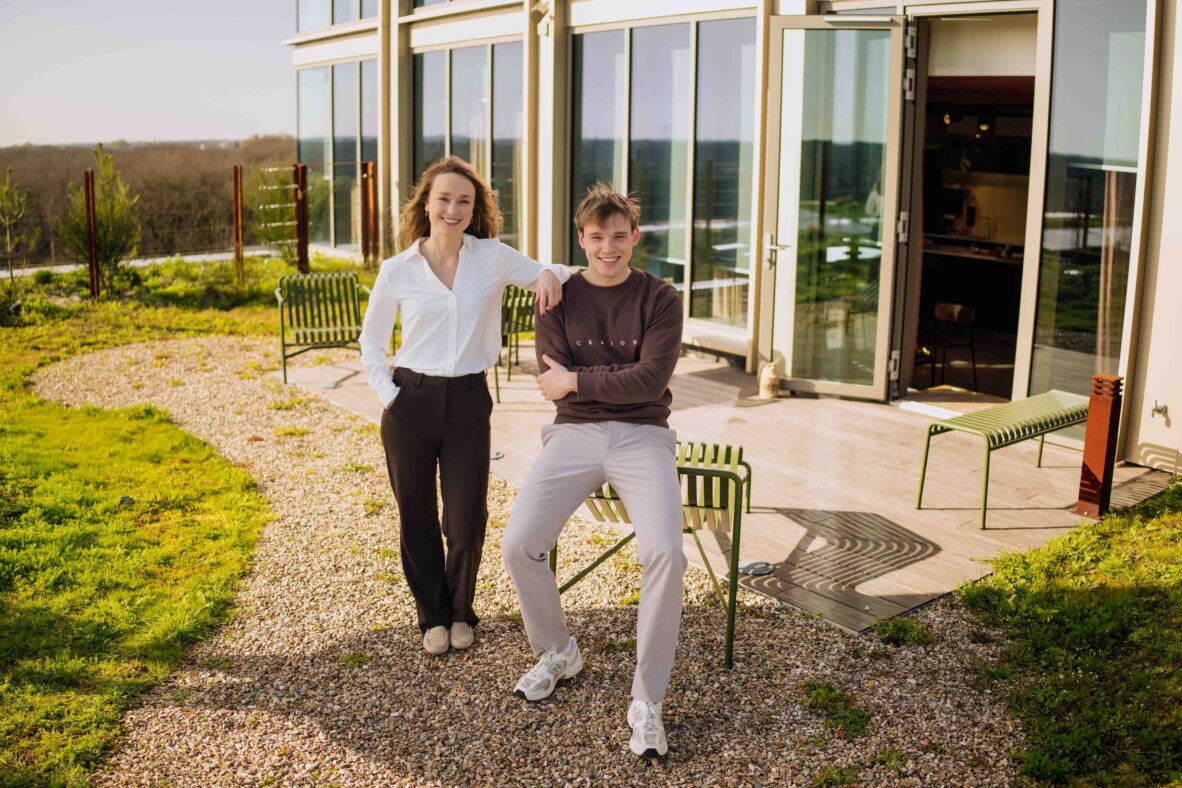
- Certain B.V.: Leonie van de Kamer
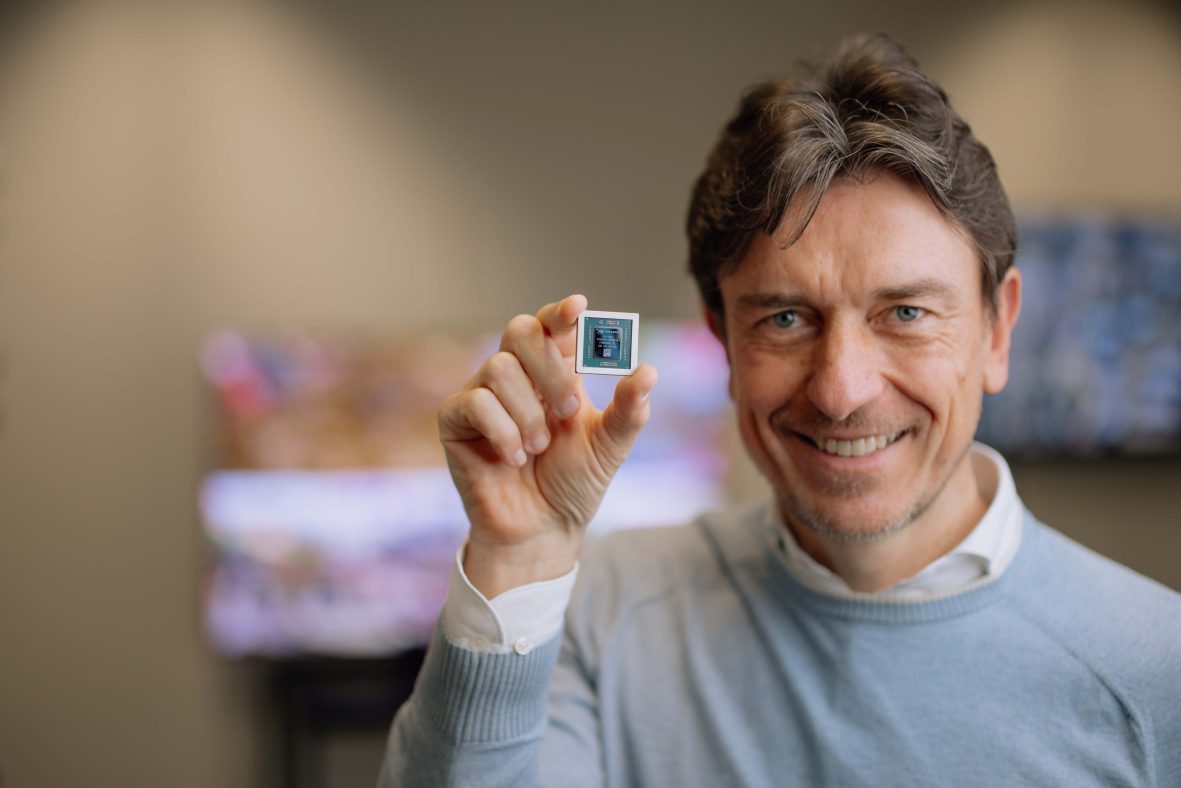
- Salvia BioElectronics, Hubert Martens
- Sirius Medical: Jan-Willem Beijer
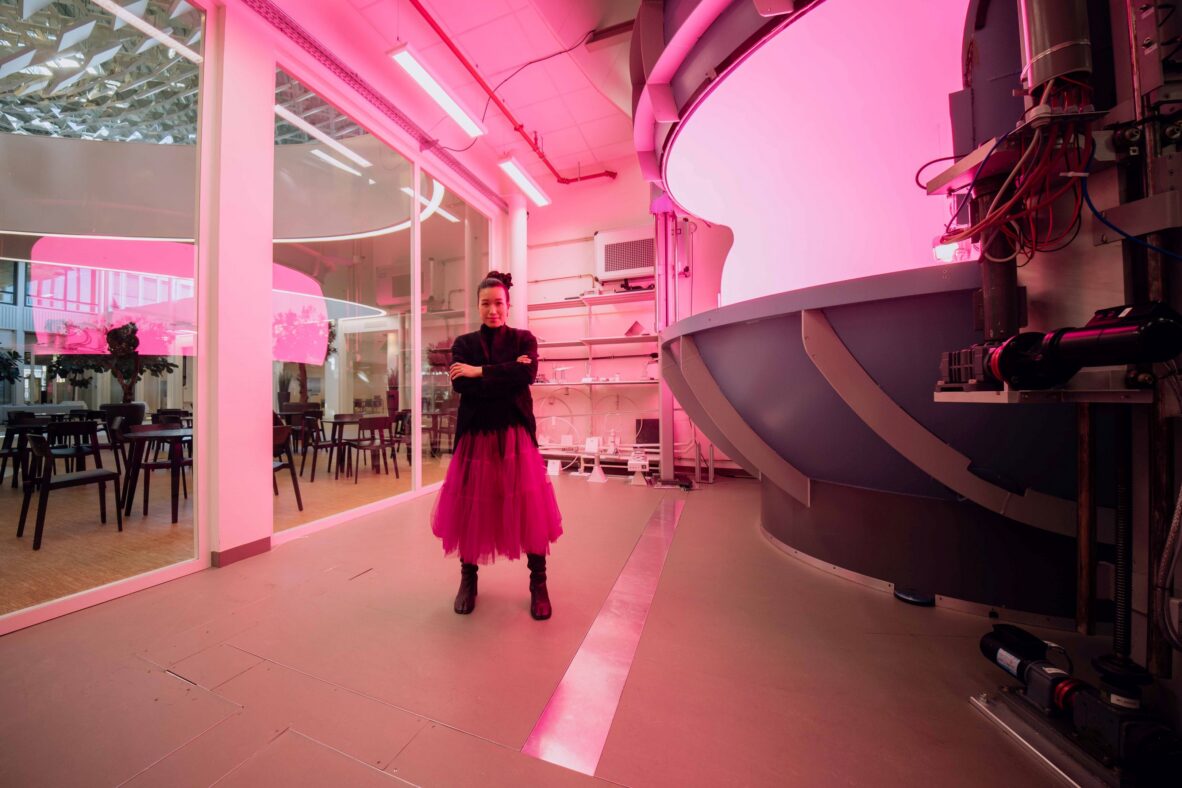
- VivArt-X: Dan Jing Wu
- Vi Health: Amélie Consigny-Bezemer
This lineup was a snapshot of innovations across the ecosystem. The presenters reminded us that championing women’s health should start with funding founders and teams who are building companies that will change the narrative. These are all startups and scale-ups founded in the Netherlands, giving a nod to Sophie’s comment in her keynote that the Netherlands is well placed to lead the charge on FemTech ventures.
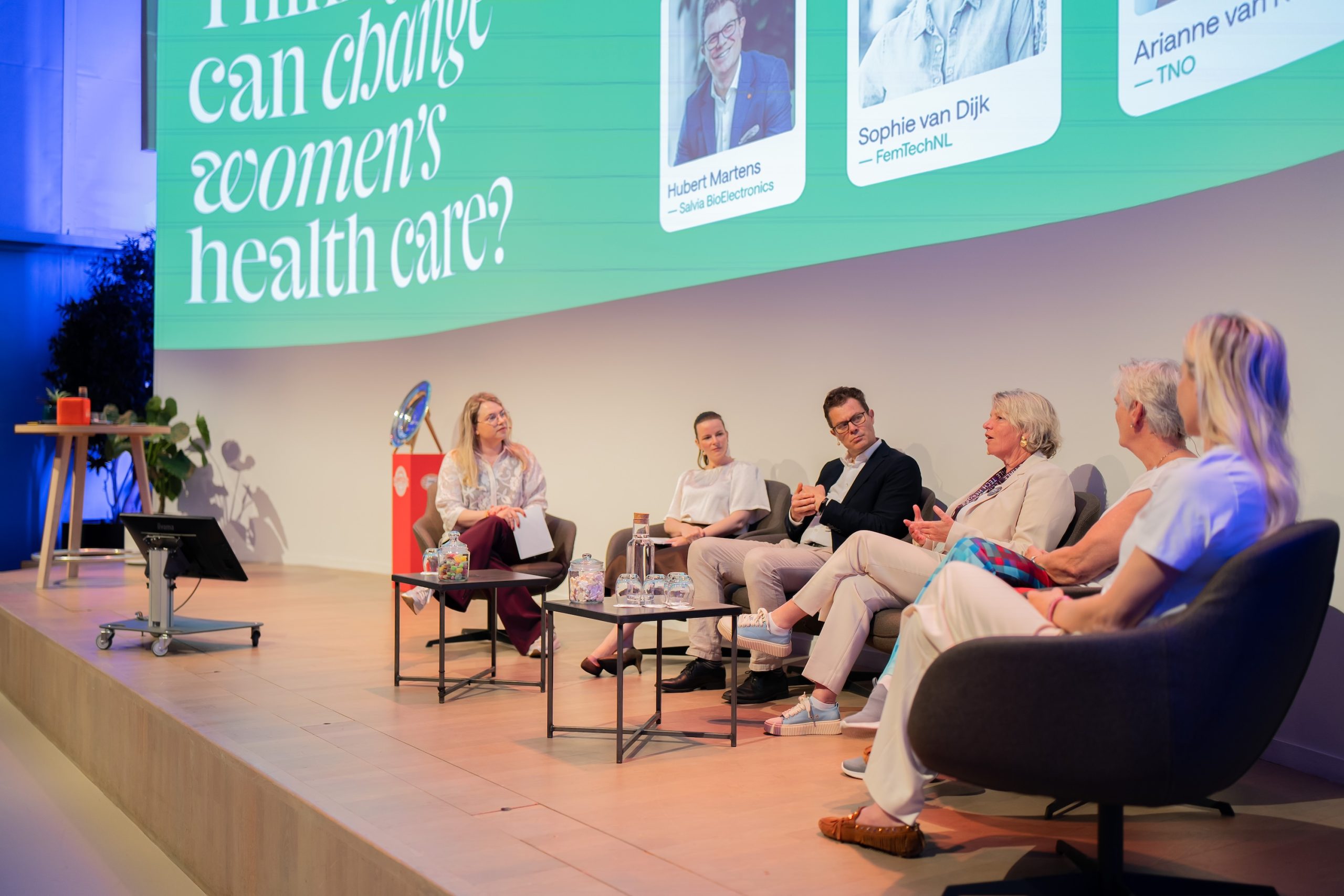
The panel: Think You Can Change Women’s Healthcare?
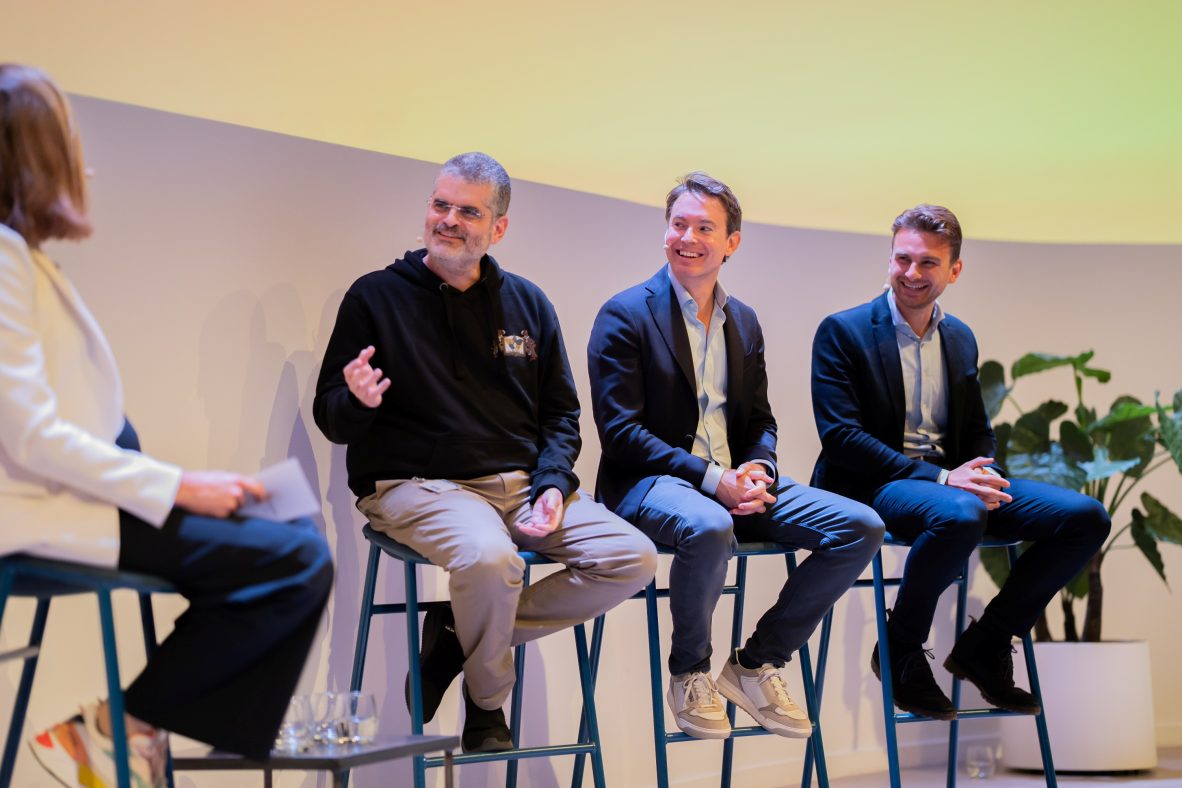
The panel was lively, to say the least, starting with its provocative title: “Think You Can Change Women’s Healthcare?”
Panelists included:
- Ingelou Stol, Salvia BioElectronics, Moderator
- Arianne van Koppen, TNO
- Hubert Martens, Salvia BioElectronics
- Judith Huirne, Amsterdam UMC
- Carmen van Vilsteren, Imagion Consultancy
- Sophie van Dijk, FemTechNL
Investor, founder, researcher, ecosystem-builder and clinician. Five perspective on the same problem.
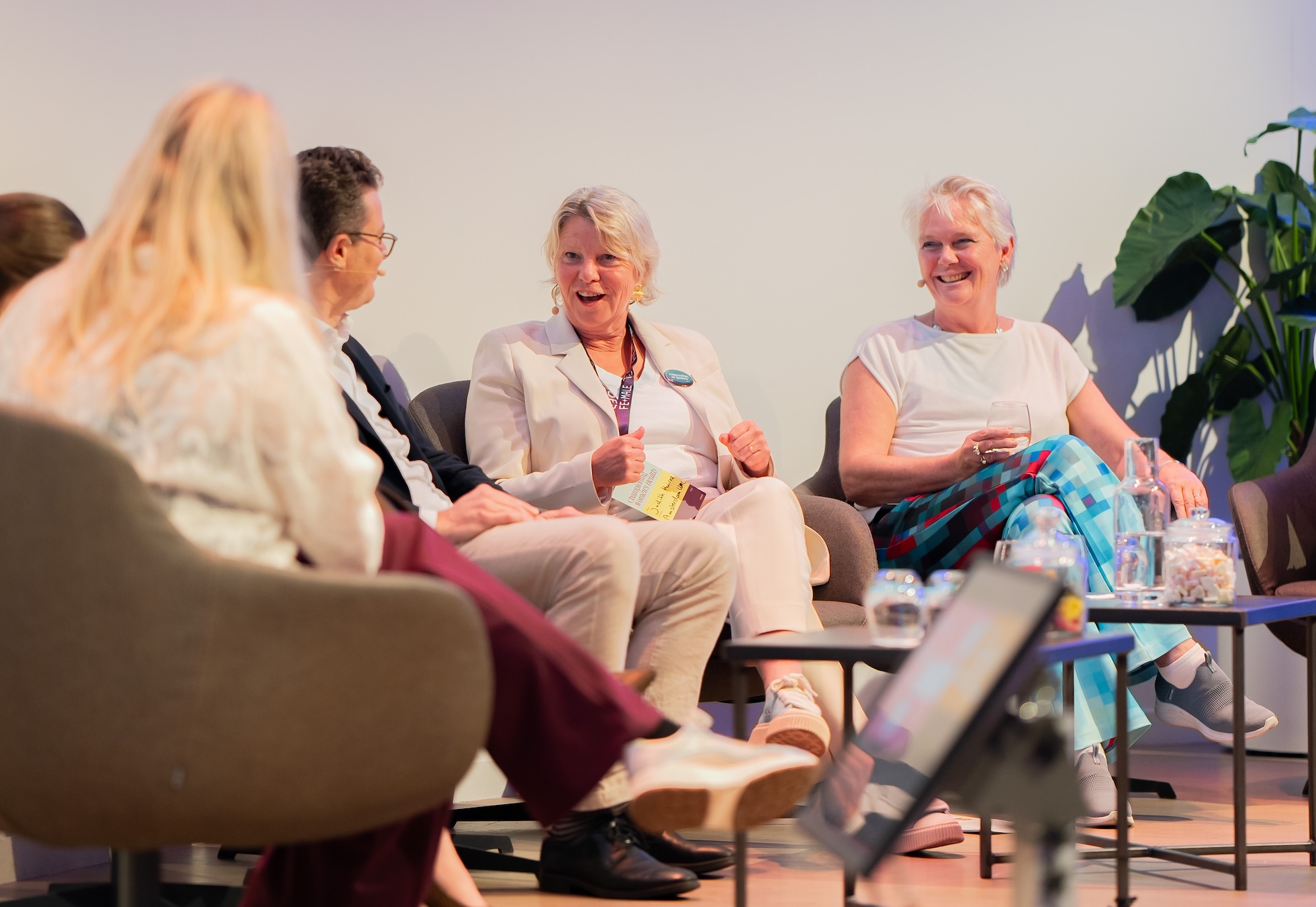
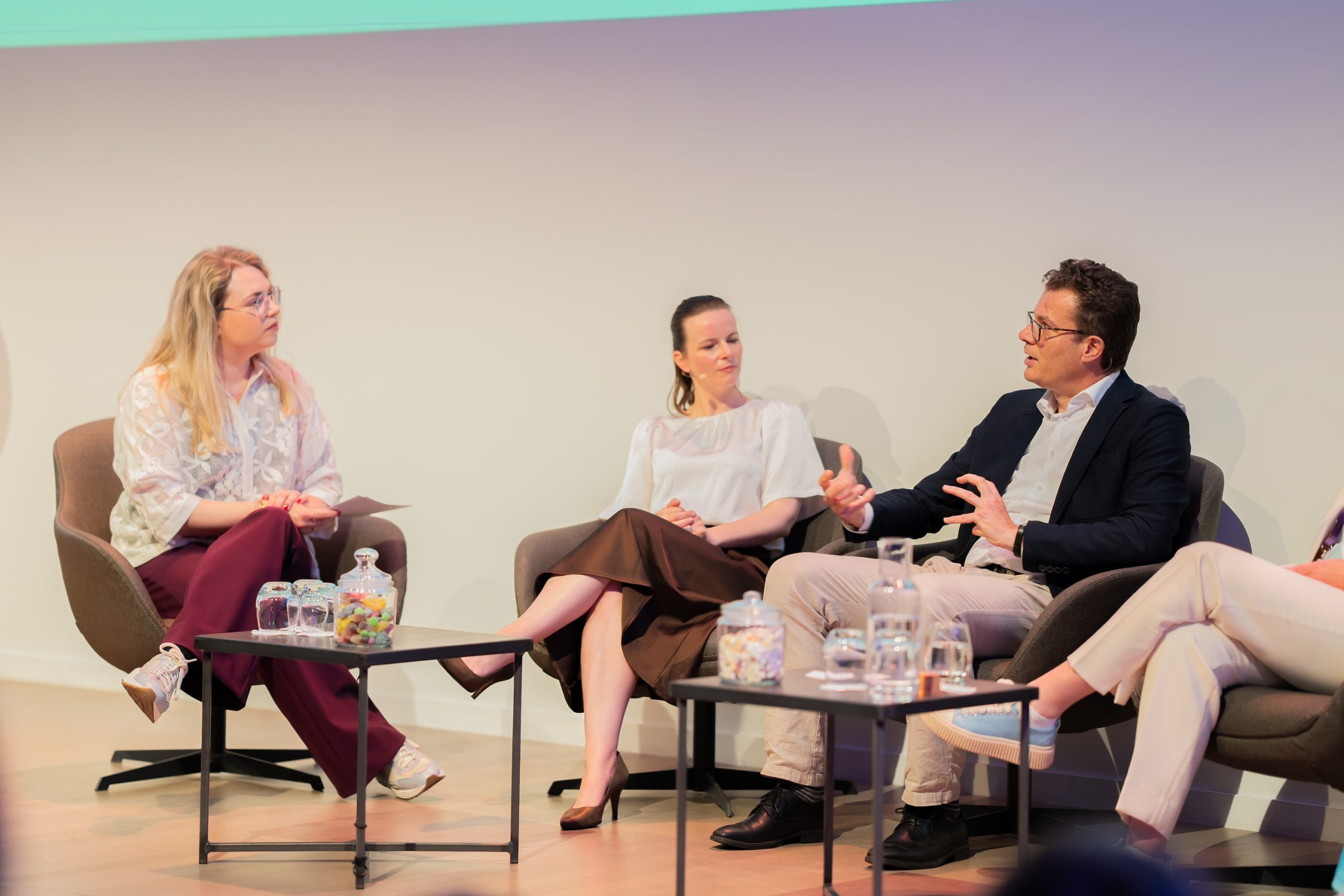
Carmen van Vilsteren and Judith Huirne published a research article in The Lancet about why investing in women’s health is a “societal imperative.” They stressed that just because a women’s health startup has a good business case doesn’t mean it gets funded. We need measures to steer enough funding towards these founders and topics. Because of this article, Invest NL has made women’s health a top priority in 2026.
Judith pointed out that proper diagnostics and treatments still just don’t exist for many women’s health issues.
“It’s not just a women’s issue, but a workplace and societal issue,” said Adrianne. “Women need a safe place in work to talk about it, and we need to accept that we need to change the system.”
Although Carmen is an investor herself and has invested in many women’s health companies, she pointed out that 90% of investors are male. This poses a problem because people relate to things they know. Some investors, unfortunately, still think it’s a “niche” market.
Hubert’s advice to all women’s health founders is that “you need champions that believe in you.” Many times, this ally can be found in healthcare providers or hospitals.
Some additional comments:
- Judith: “We shouldn’t accept that we do not have the knowledge about women’s health issues. The neural network of the clitoris was just mapped in a CERN facility.” We need this information, and we need it now.
- Adrianne: “We need to show the economic value behind these innovations.”
- Sophie: “Come with the data.”
- Judith: “The current healthcare system fails women. That’s the problem at the moment.”
It was a candid, cross-disciplinary exchange that we don’t often see. We know what needs to be done. More education. More research. More funding. More cross-collaboration. Because it’s not only about great inventions, it’s about adoption.
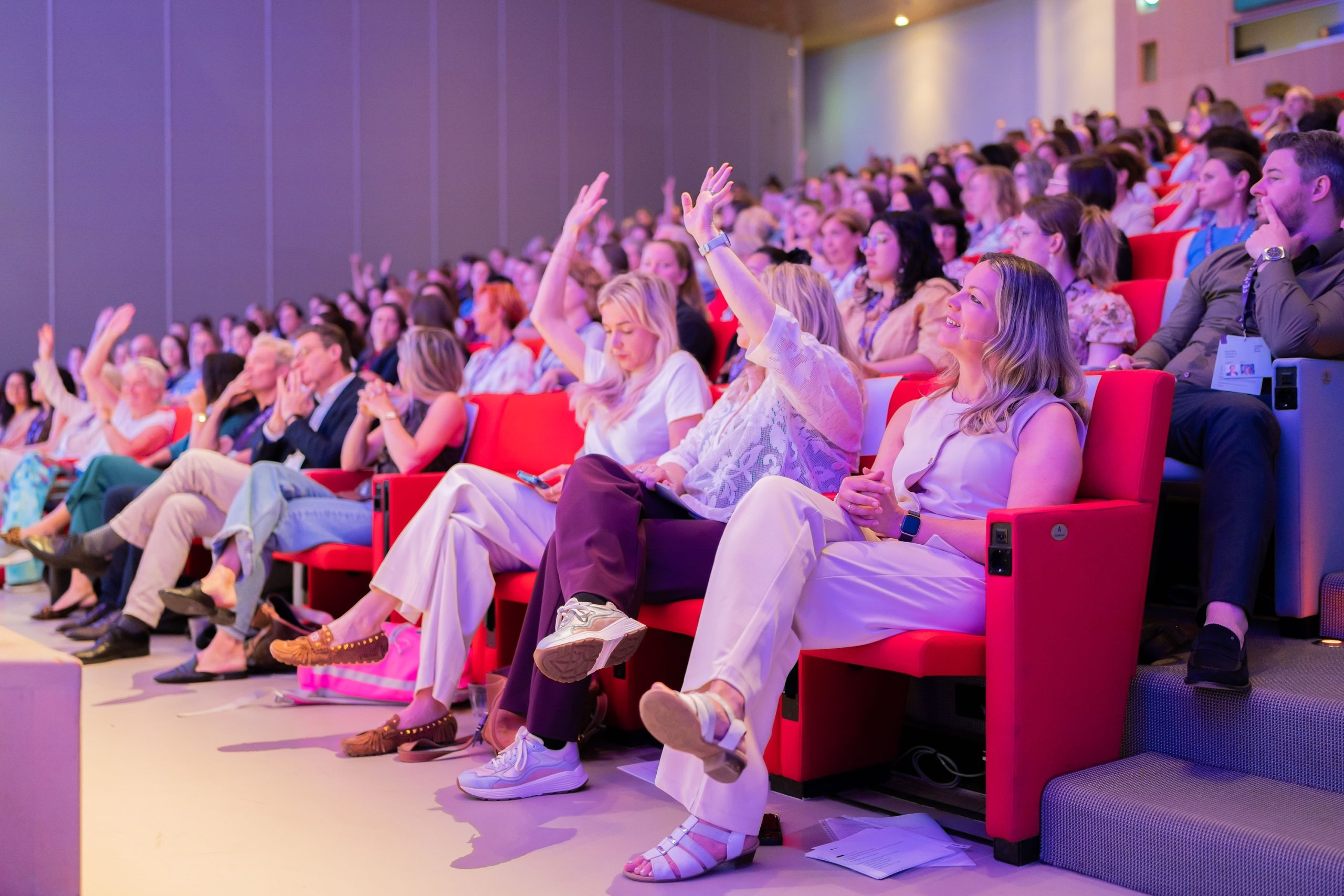
Eight workshops, one mission: 1% Better Every Day
In true Fe+male Tech Heroes fashion, the day wasn’t only about listening but also about learning.
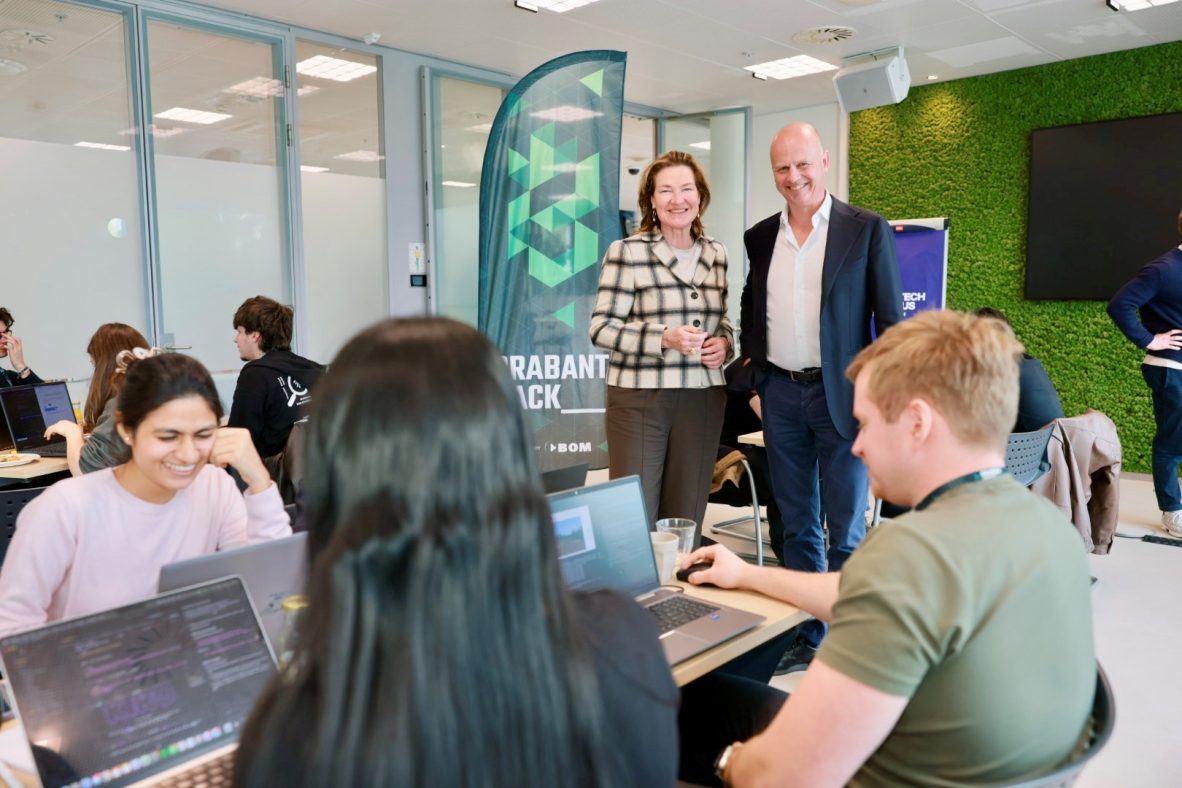
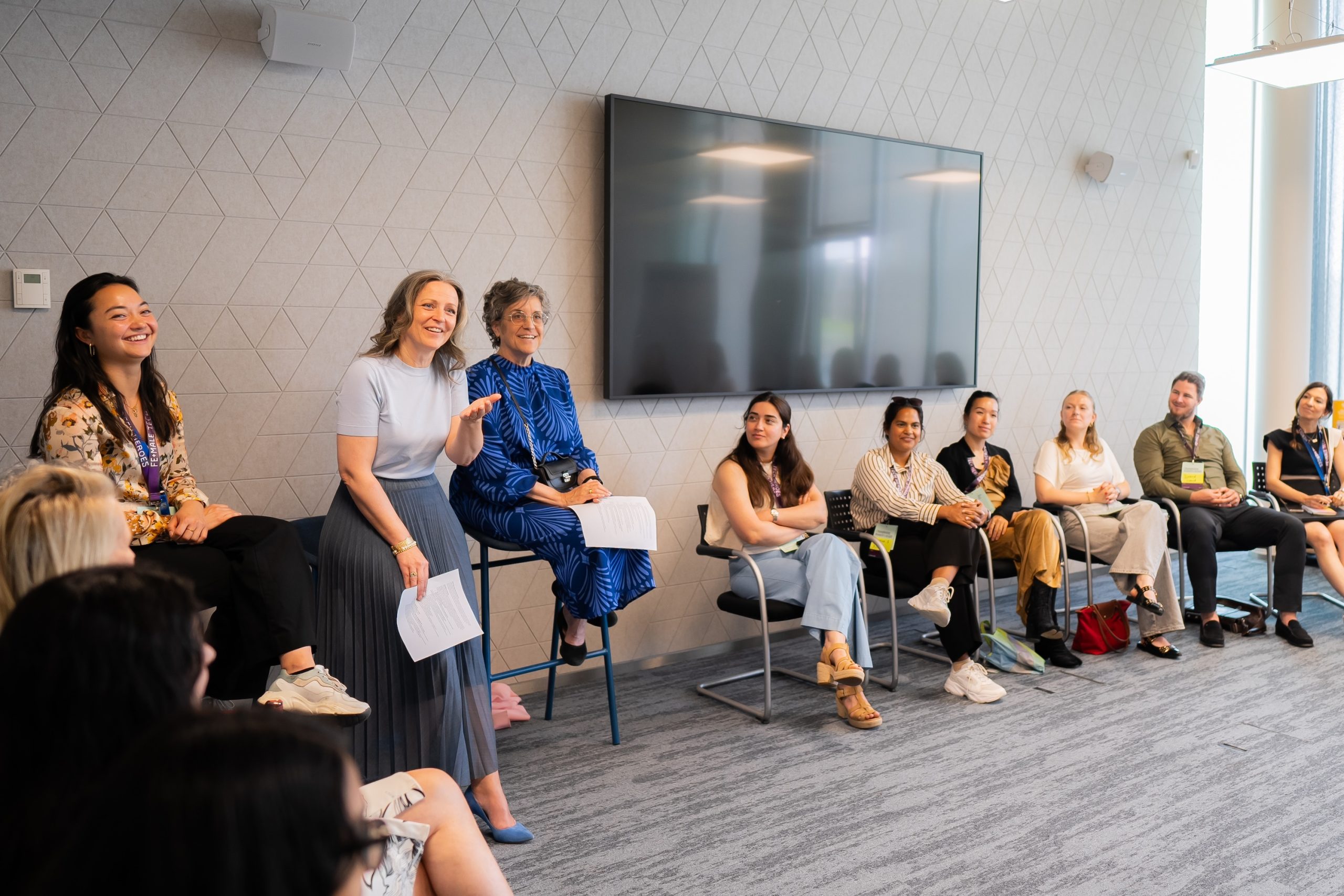
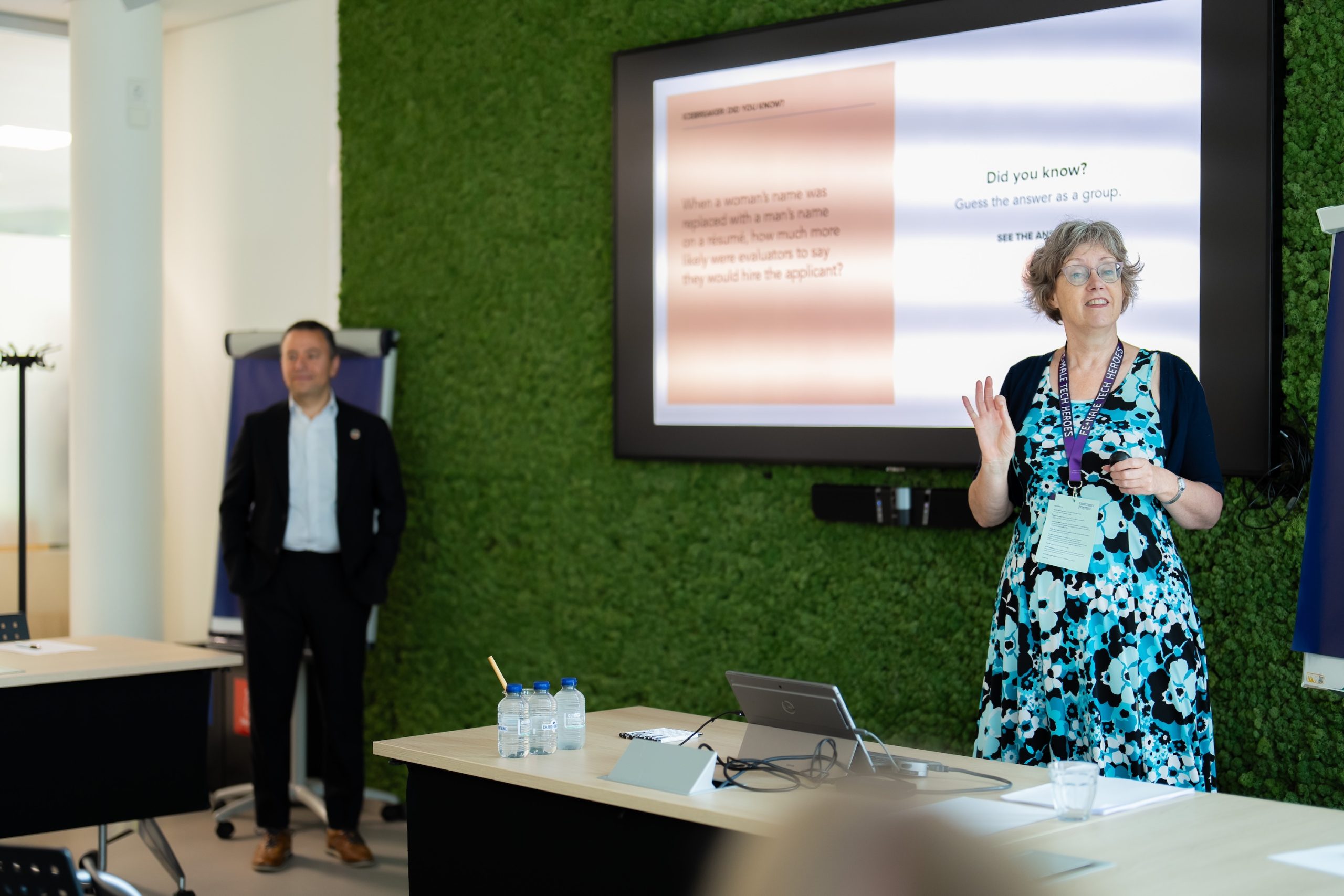
Fe+male Tech Heroes Partners led eight workshops designed to send everyone home with practical tools and ideas to put to work right away, not to mention great connections with other workshop attendees. We heard workshop conversations continuing long into the networking and lunch hour.
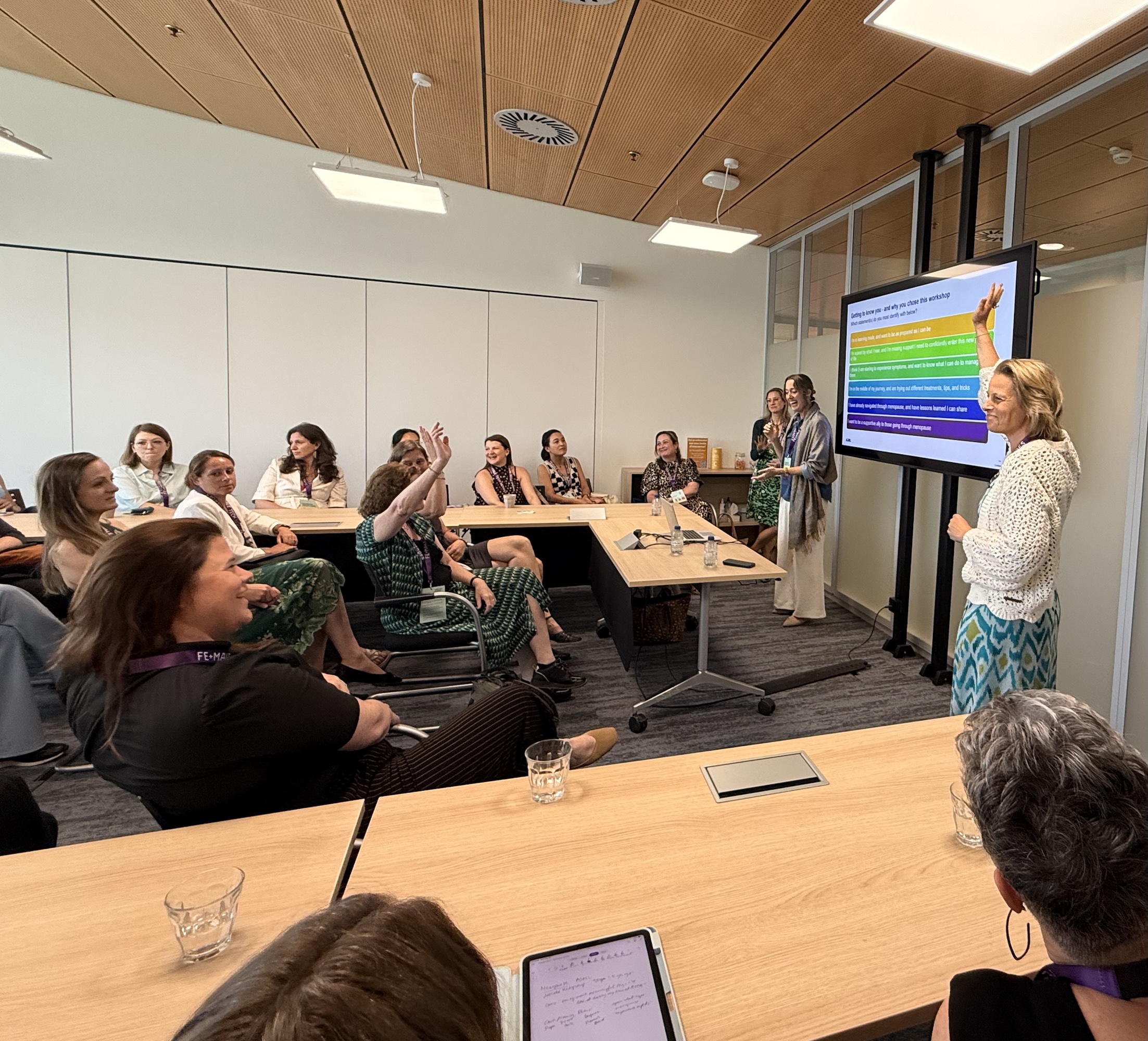
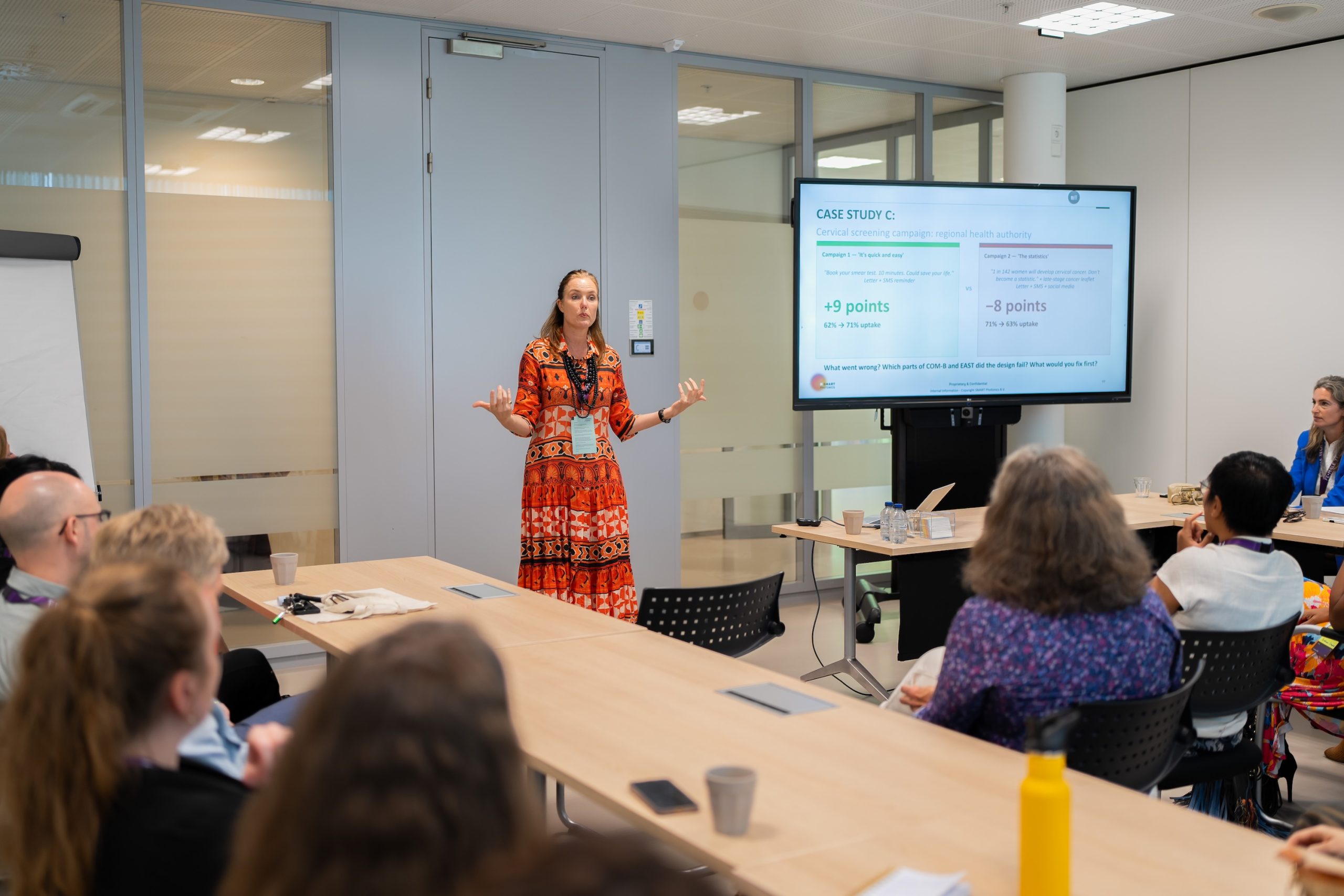
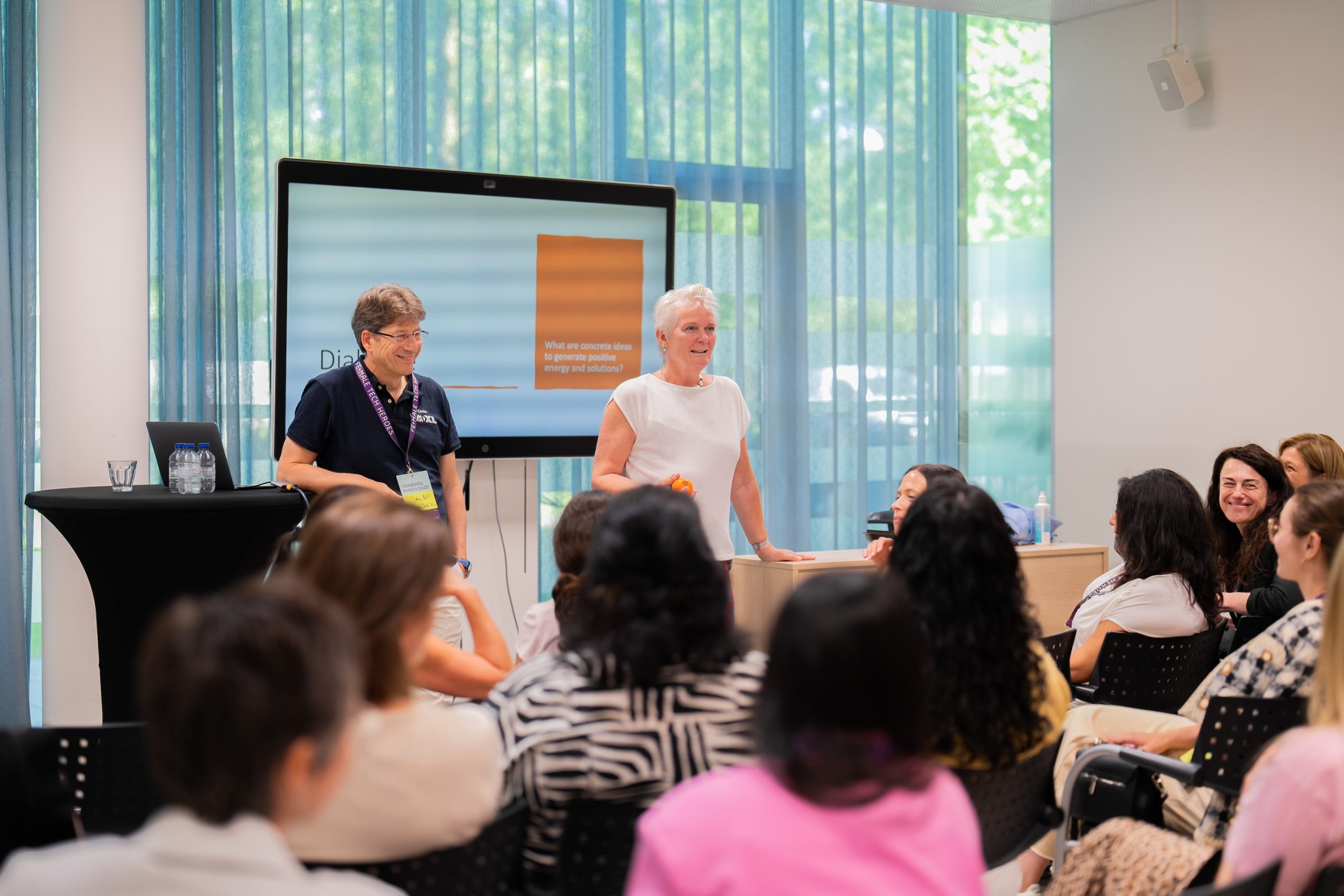
Is it burnout or menopause? Led by Blaire Bergman, Carin Pieper and Nancy Vos-van Oerle (ASML)
Real Talk: Growth & Careers Liz Zwerver and Hinke Malda (Philips)
Unblocking FemTech: why women’s health innovation stalls and what 1% better looks like Beata Wandachowicz-Krason (Organon)
The importance of male allyship: a practical toolkit Yolanda van Dinther (VoyaTech) and Joseph Zekry (HorizonTech)
Women’s health gives better and more productive sex for all Carmen van Vilsteren (Imagion Consultancy) and John Bell (HighTechXL)
Beyond one-size-fits-all: female-centric healthcare technology design Jayeeta Sengupta, Shavini Stuart-Wijesuriya, and Arianne van Koppen (TNO)
From data to decisions: why health insights don’t change behavior (and what does) Udette Kirsch (SMART Photonics)
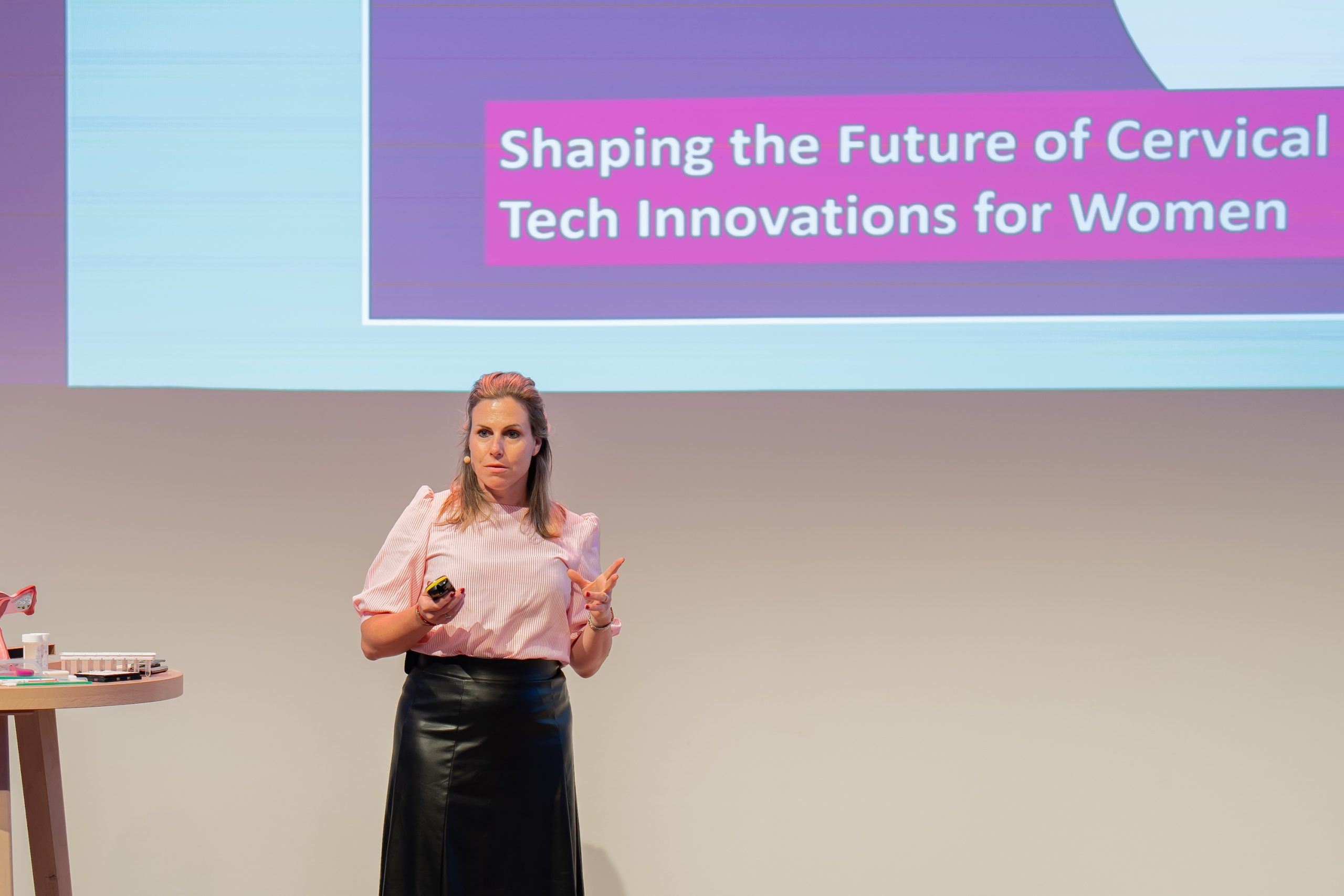
Shaping the future of cervical cancer screening: tech innovations for women Anne Loonen (Fontys Technology) and Adriaan van den Brule (Jeroen Bosch Ziekenhuis).
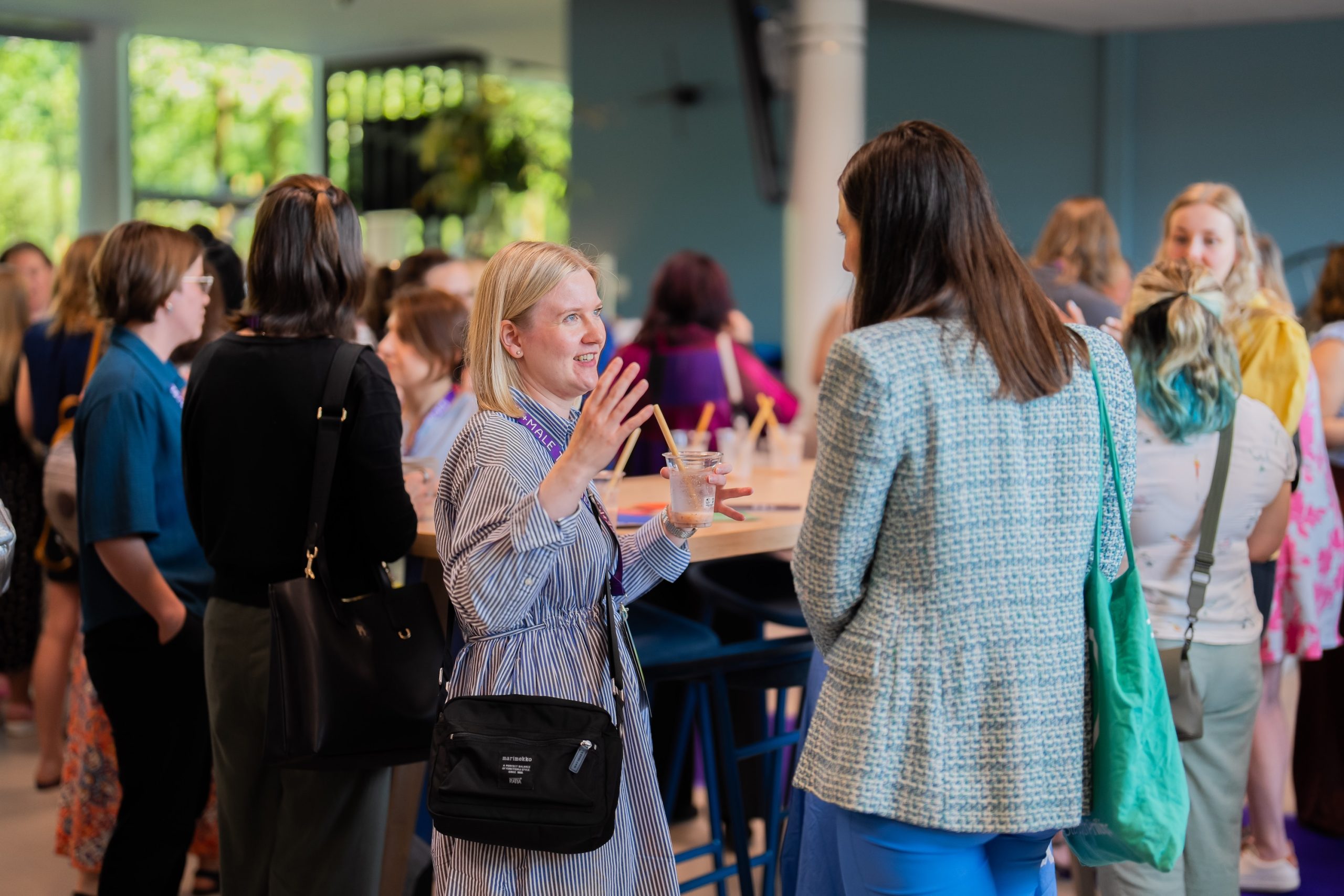
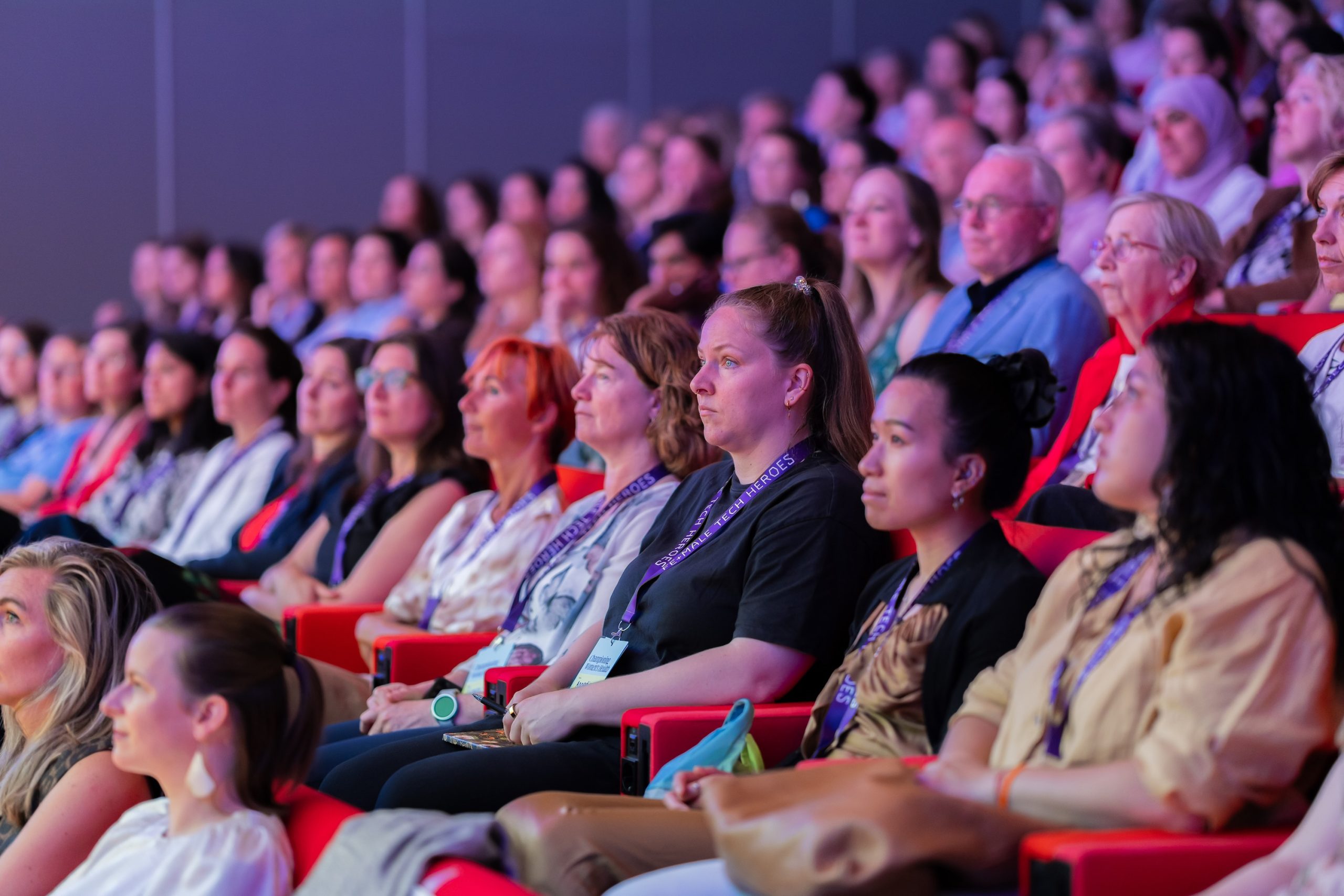
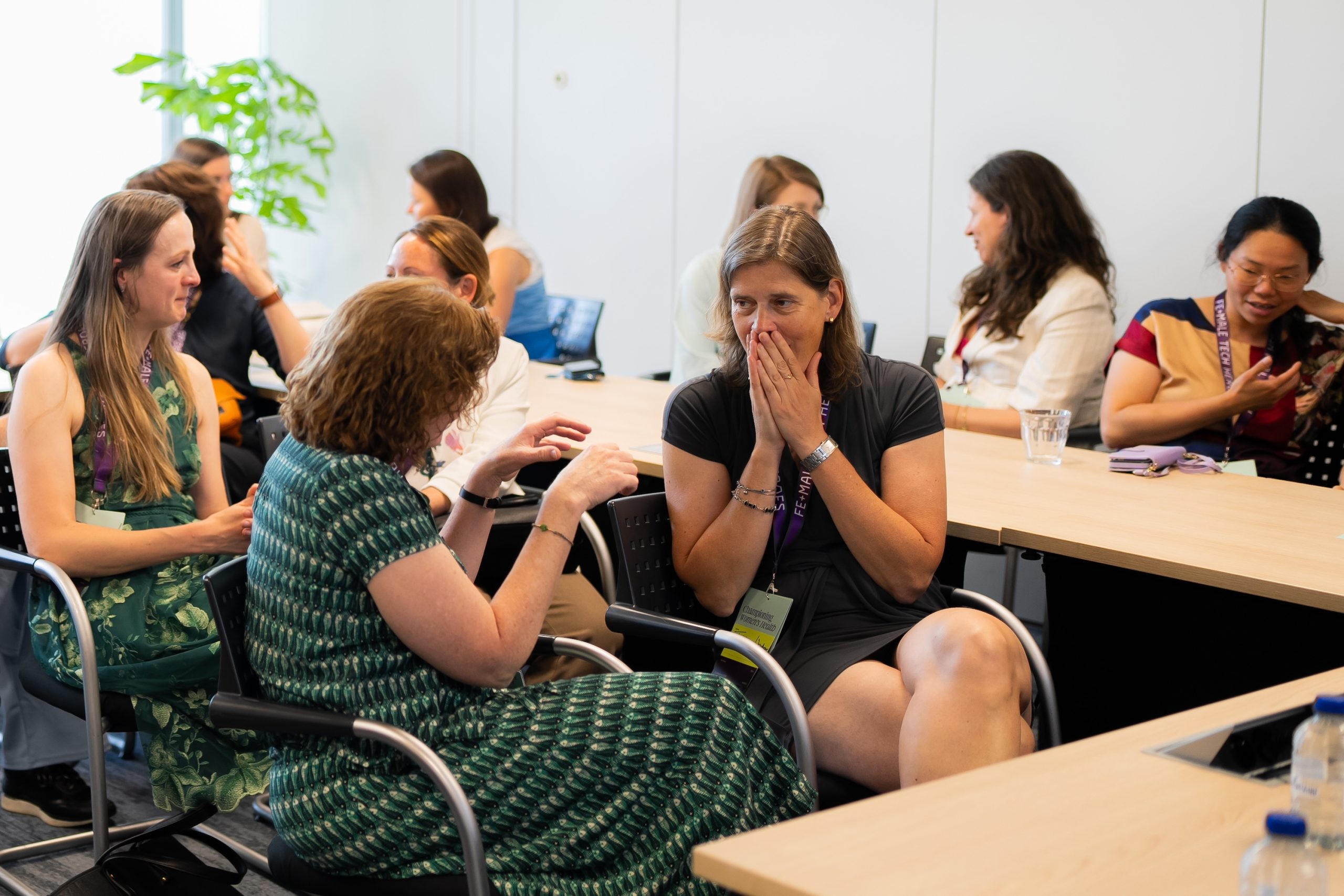
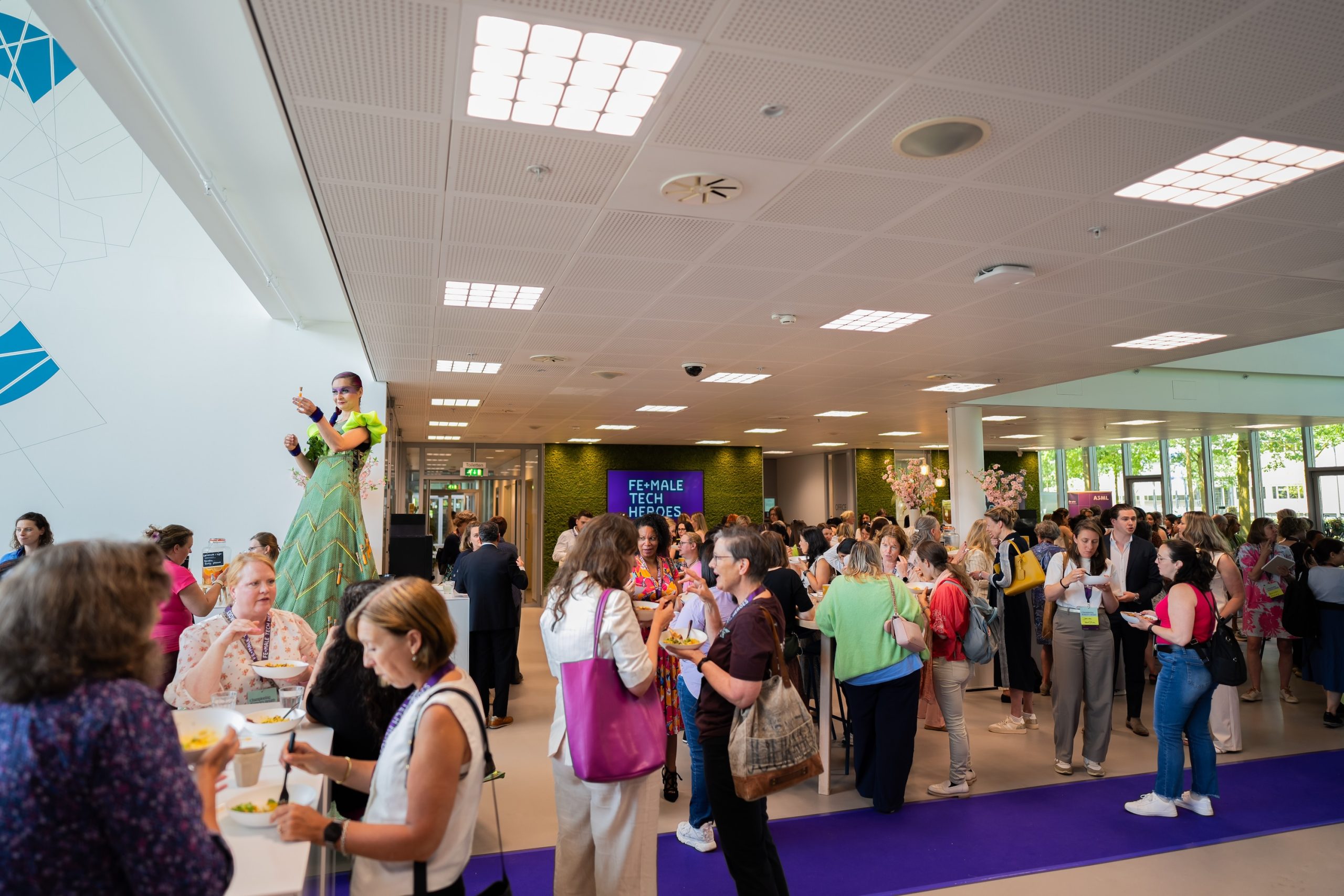
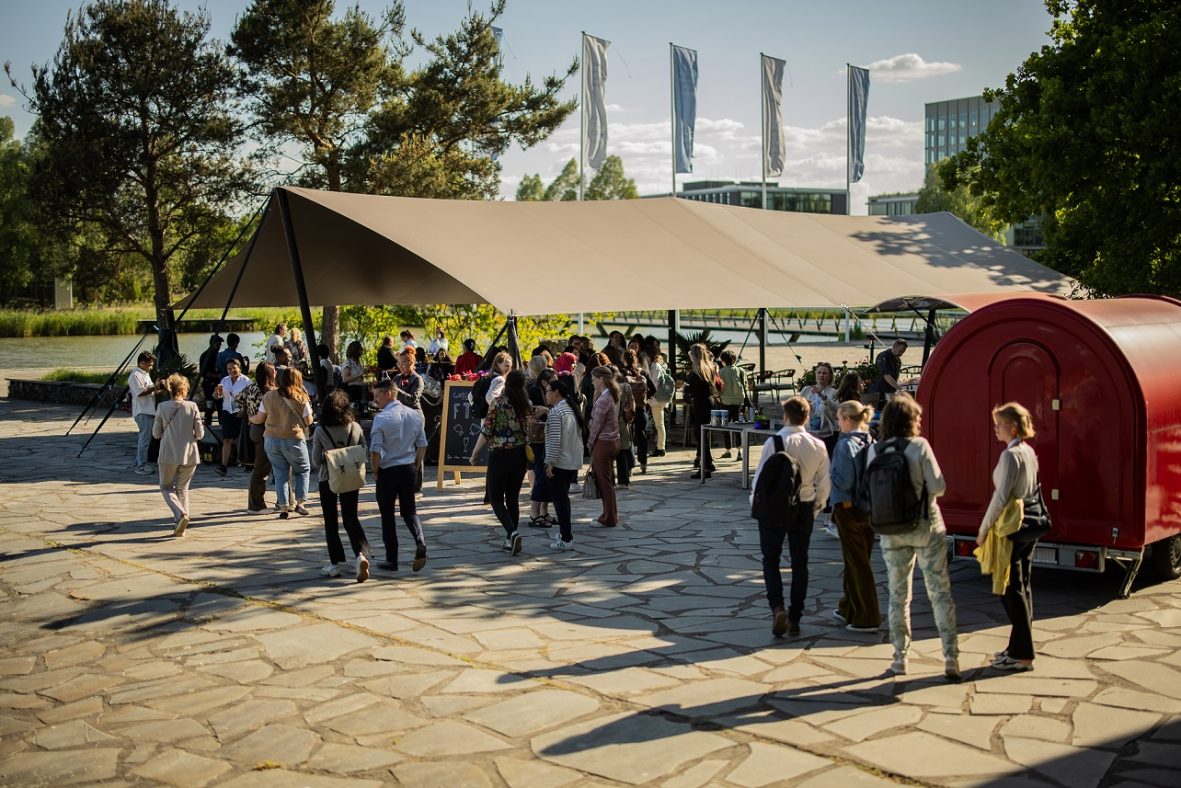
What stood out most across the conference wasn’t a single presentation or statistic. It was the makeup of the audience itself.
We had founders sitting next to clinicians, investors next to researchers, women next to the male allies who showed up to learn and contribute. The mix is the whole point. Women’s health will only get better when the people building it, funding it, researching it and launching it are all in the same conversation.
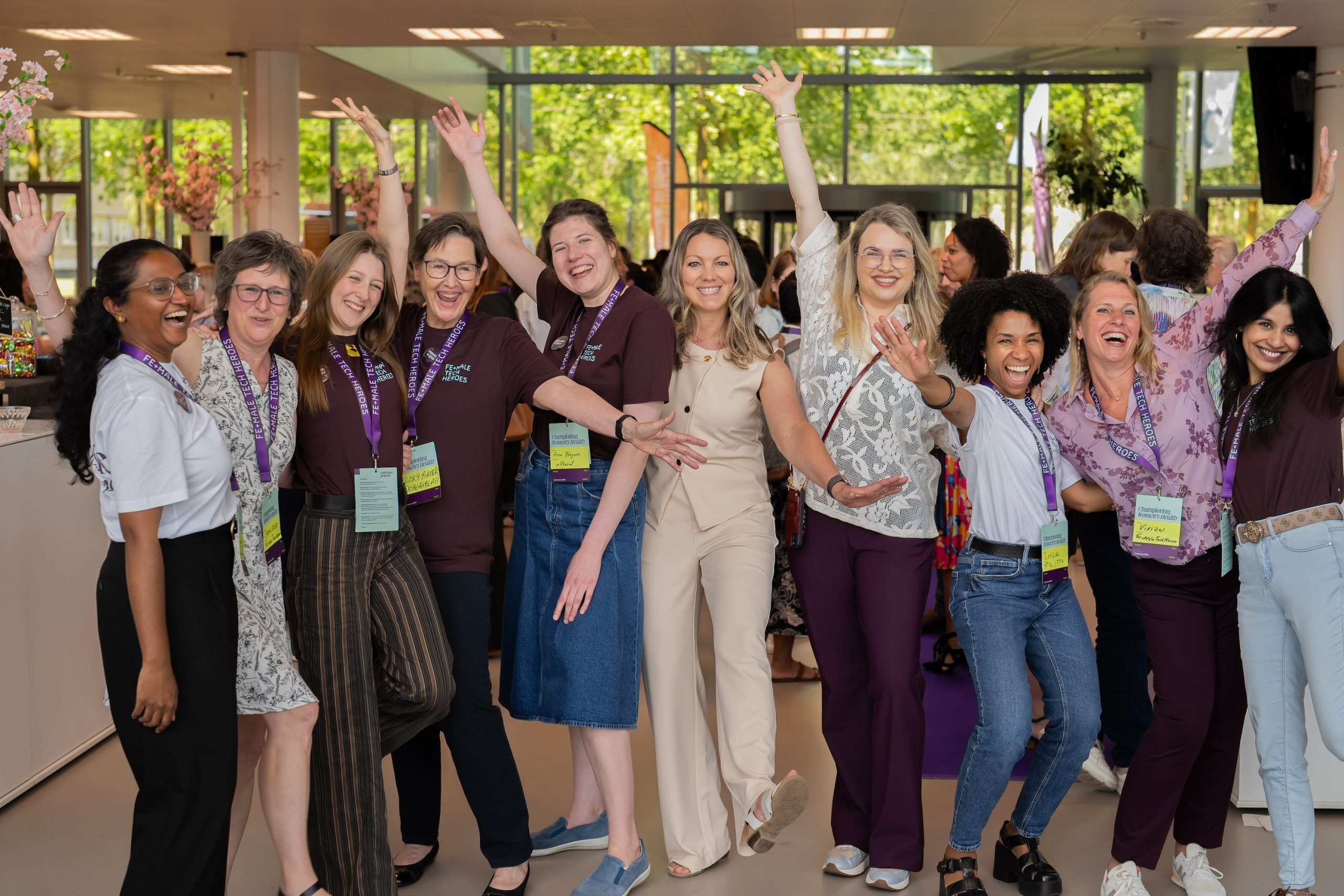
It’s also the makeup of the Fe+male Tech Heroes community, all walks of life coming together for a common purpose. We make women in tech impossible to ignore, and we do it with allies of all genders.
To all keynote speakers, founders who pitched, panelists speaking out and speaking up, every workshop presenter who shared their knowledge and experience and to everyone who showed up to listen and learn: thank you.
Watch the after movie here.
See all the event photos here.
Join our next event, the Fe+male Tech Heroes Meetup on Tuesday, June 9th.
Become a Fe+male Tech Heroes Partner.